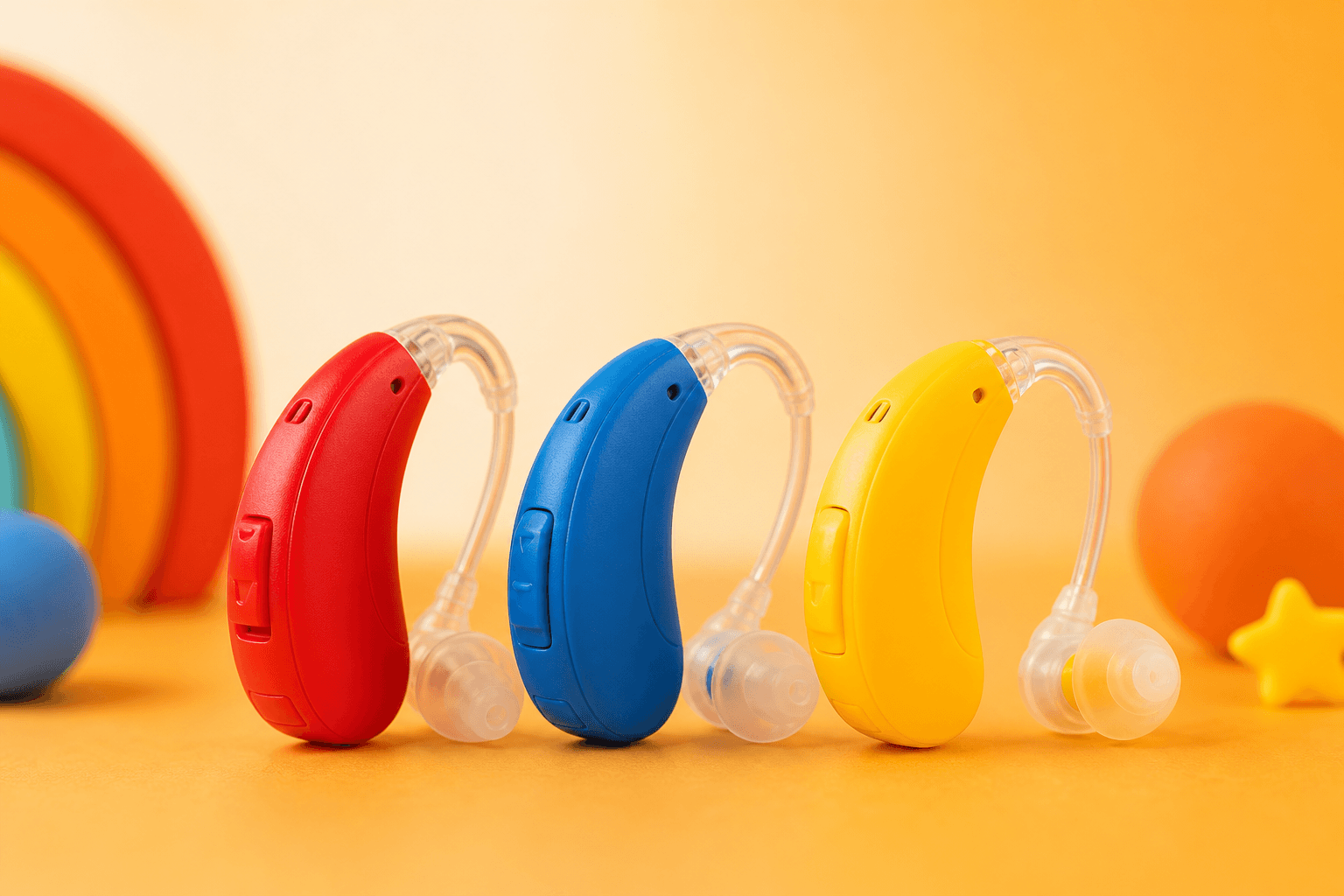
Choosing a hearing aid is not just about comparing models. Audiometry results, lifestyle, dexterity, and daily listening environments are evaluated together.
✓Hearing test and personalised consultation
✓Trial period and professional programming
✓Social security process support and transparent information
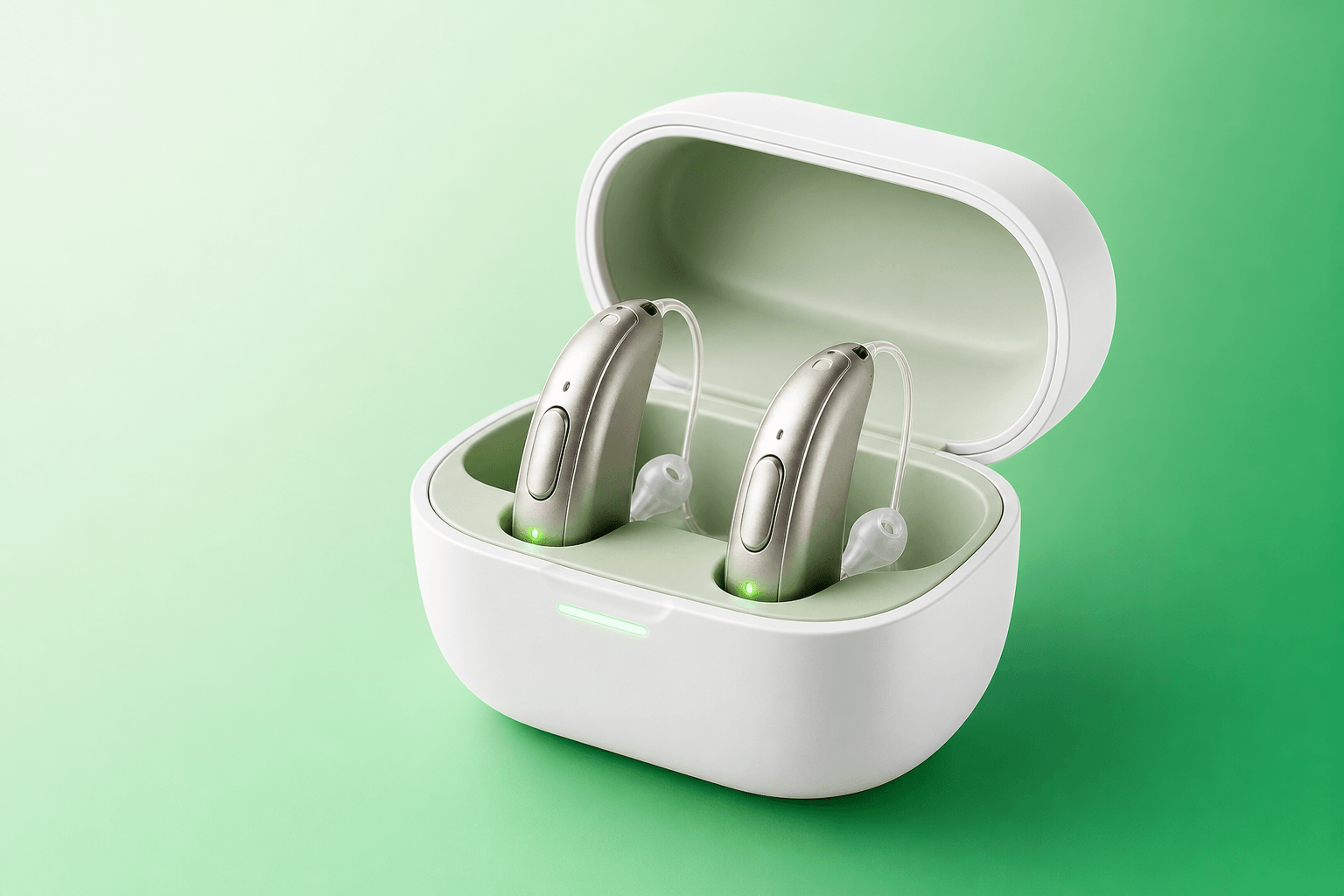
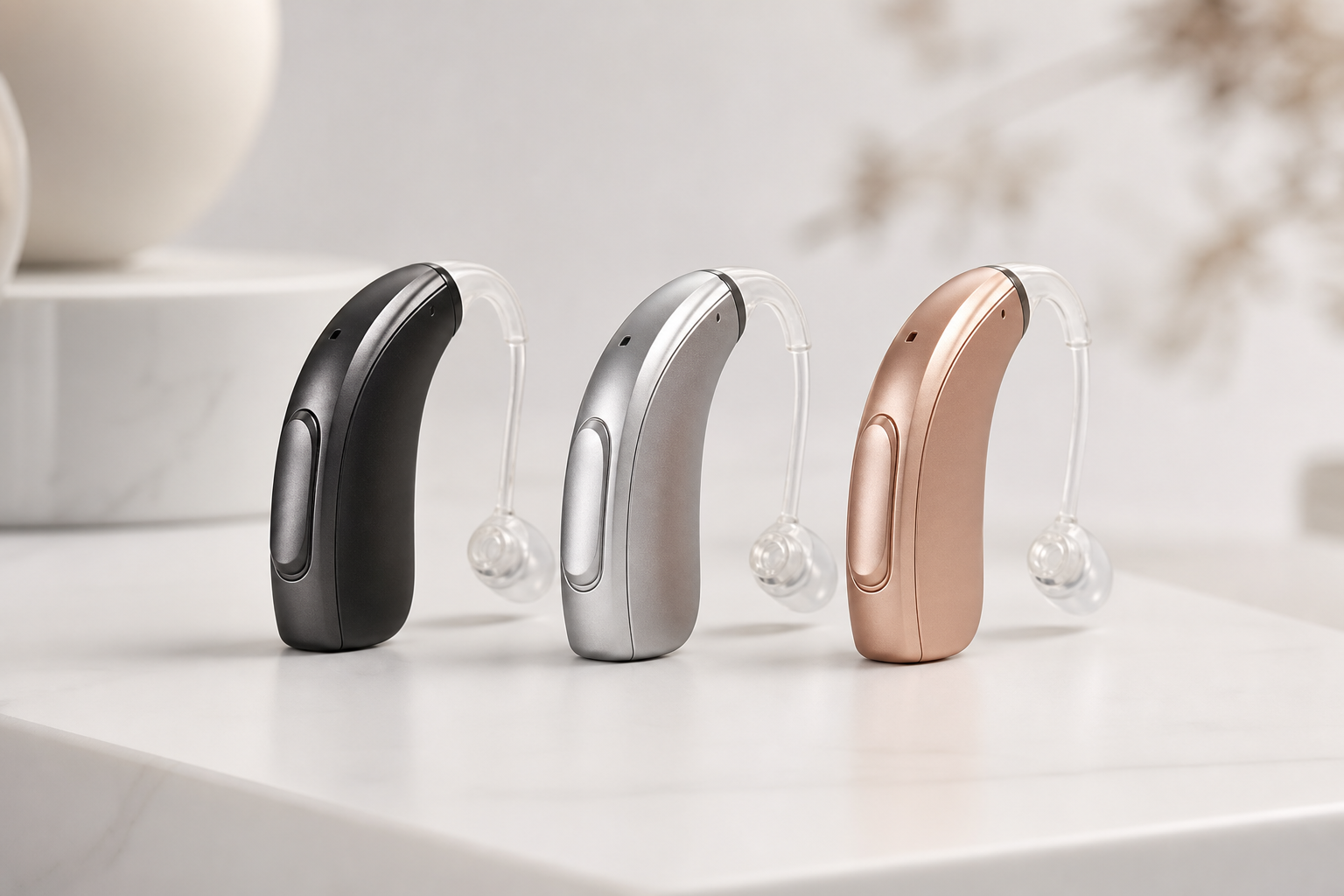
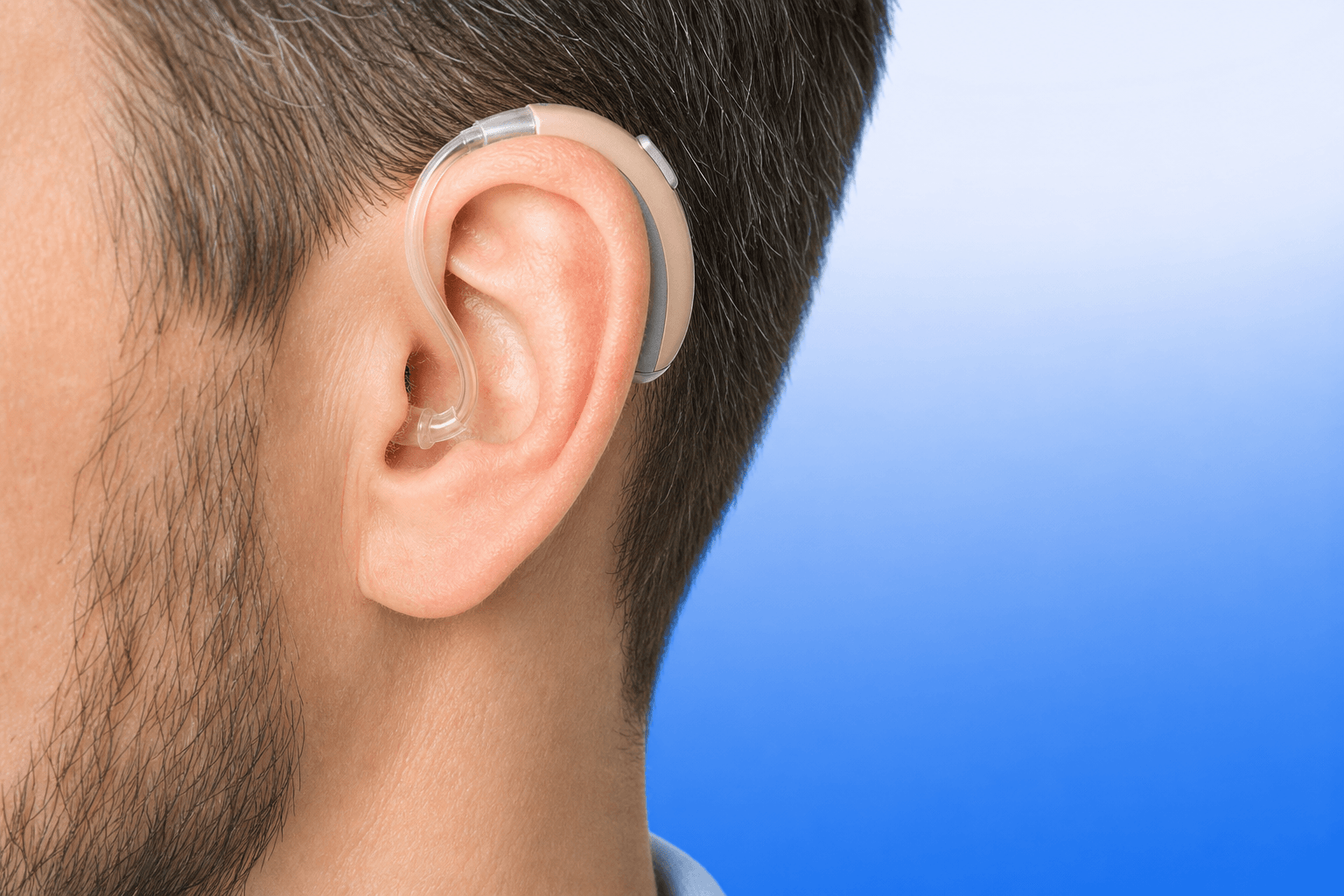
Behind-the-ear (BTE) models offer strong amplification, broad frequency support, and easy maintenance for moderate to severe hearing loss. Different ear tips allow a personalized fit.
Device categories
Device types to match your needs
Each category is designed for different hearing profiles and lifestyles. Suitability must always be determined through professional assessment.
We find the most suitable solution together through a transparent, pressure-free assessment process.
1
Initial consultation
Your needs, expectations, and daily listening environments are reviewed.
2
Hearing test
Your hearing profile is measured with audiometry; results are explained together.
3
Trial & selection
Trials from suitable categories; models and features are compared.
4
Programming & follow-up
Personal adjustments are made; the process is supported with check-up appointments.
Technology
Modern hearing technologies
Features such as noise management, directional microphones, rechargeable use, and wireless connectivity can improve daily comfort — suitability is determined through assessment.
🎧
Noise management
Algorithms that help bring speech to the fore in crowded environments.
📱
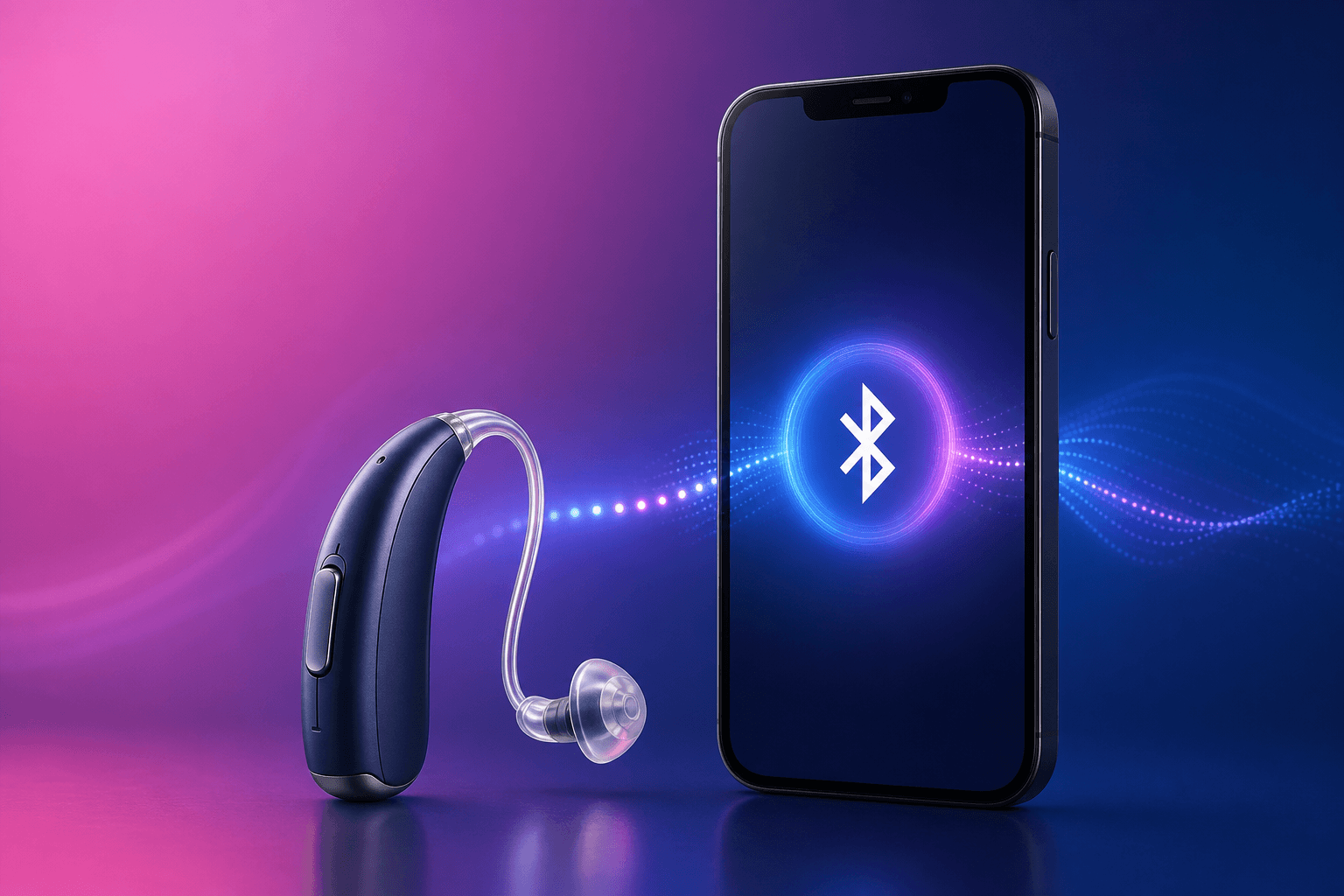
Wireless connectivity
Direct audio streaming to phones and media devices.
🔋
Rechargeable use
Charge overnight, use uninterruptedly during the day.
⚙️
Personal programming
Fine-tuning and regular check-ups based on your hearing profile.
Brands
Trusted manufacturers worldwide
Phonak, Oticon, Signia, and more — the brand and model suited to your needs are evaluated together.
Frequently asked questions
Common questions about devices
How do I choose a hearing aid?
Hearing aid selection is based on your test results, lifestyle, budget, and personal preferences. A trial period helps you understand which device works best for you.
How long does it take to adjust to a hearing aid?
The adjustment period varies from person to person. Gradual use in the first weeks and regular follow-up appointments are recommended. It takes time for the brain to adapt to new sounds.
What is the difference between in-the-ear and behind-the-ear devices?
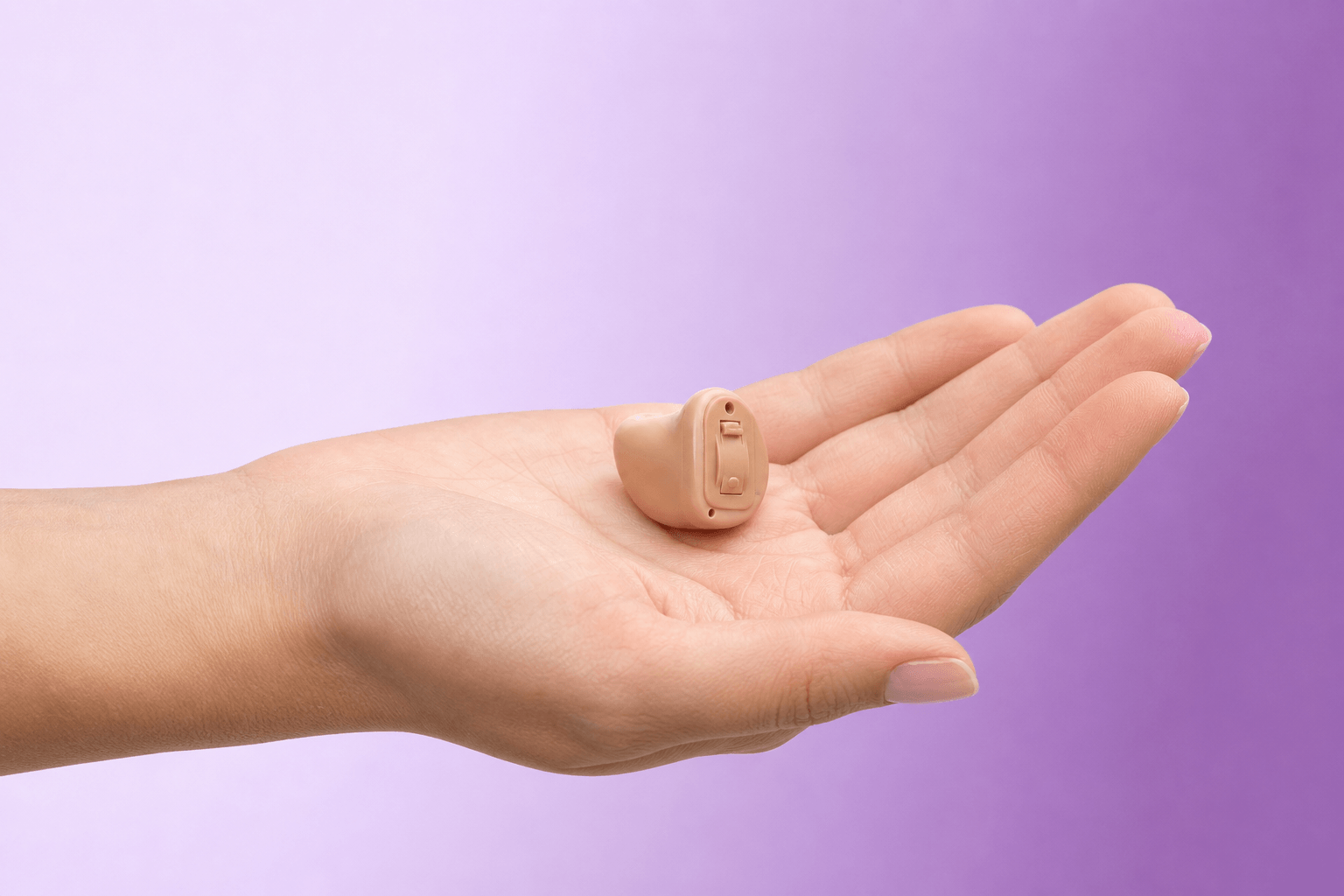
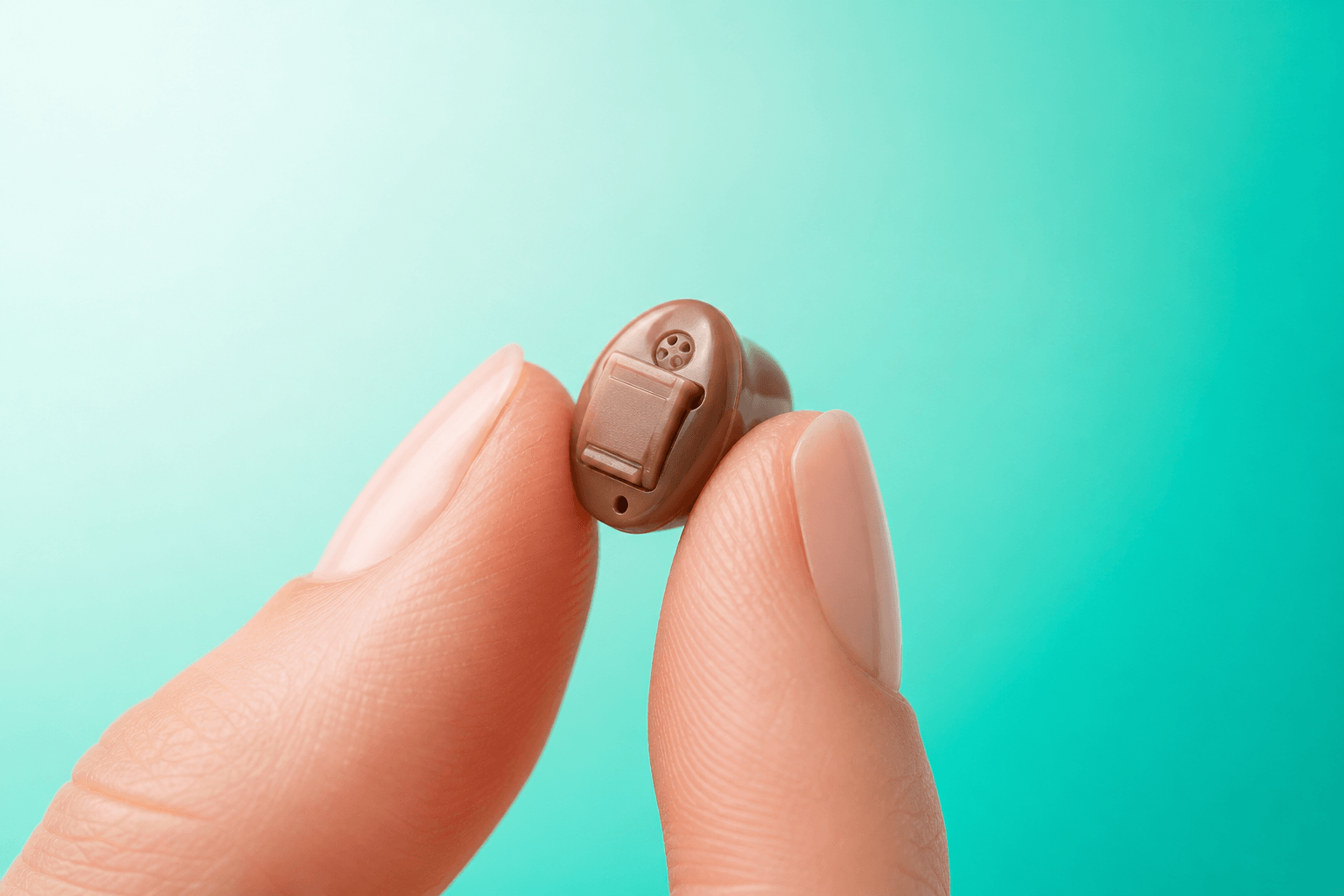
Behind-the-ear devices sit behind the ear and offer a wide range of power levels. In-the-ear devices are custom-molded to fit in the ear and can be less visible. Suitability depends on your degree of hearing loss and ear anatomy.
Rechargeable or battery-powered hearing aid?
Rechargeable devices reduce the need for battery changes with an overnight charging routine. Battery-powered devices offer the convenience of carrying spare batteries. The best choice depends on your daily habits.
Important: The information on this page is for general guidance only and does not replace diagnosis or treatment. No device model should be recommended as suitable for everyone without a medical assessment.
Which device is right for you?
After a hearing assessment, let's find the most suitable device for you together.
We use cookies to improve your experience. Essential cookies are required for the site to work.
Nokta İşitme
Let's test your hearing
This online hearing test does not replace an examination by a hearing care professional and is not a medical diagnosis. If you suspect hearing loss, a professional assessment is recommended.
By starting the test, you consent to the processing of data you provide or that is generated during the test solely to deliver your results. Data is deleted immediately after your results are shown.
Find a quiet place and put on your headphones
Choose as quiet an environment as possible
Set headphone and device volume to the highest level
Make sure your headphones are working
You should hear a short melody.
You're ready!
Let's start with the left ear
Put on your left headphone. Remove or mute the right one.
Left ear test
You will hear a short tone at each frequency. Press “Play sound”; choose “I hear it” when you hear the tone. If not, the volume will increase slightly.
Left ear
1000 Hz
Press “Play sound” and listen to the tone.
Volume level: 1 / 5
Left ear
2000 Hz
Press “Play sound” and listen to the tone.
Volume level: 1 / 5
Left ear
4000 Hz
Press “Play sound” and listen to the tone.
Volume level: 1 / 5
Great! Let's continue
Now we'll test the right ear
Put on your right headphone. Remove or mute the left one.
Right ear test
You will hear a short tone at each frequency. Press “Play sound”; choose “I hear it” when you hear the tone.
Right ear
1000 Hz
Press “Play sound” and listen to the tone.
Volume level: 1 / 5
Right ear
2000 Hz
Press “Play sound” and listen to the tone.
Volume level: 1 / 5
Right ear
4000 Hz
Press “Play sound” and listen to the tone.
Volume level: 1 / 5
Left ear—
Right ear—
What do your results mean?
✓No loss detected — You heard the test tones at a normal level.
!Possible loss — You struggled with some tones; a specialist check is recommended.
!!Likely significant loss — You had difficulty at many frequencies; see a specialist soon.
This online hearing test does not replace an examination by a hearing care professional and is not a medical diagnosis. If you suspect hearing loss, a professional assessment is recommended.

 Most popular choice