Overnight charging routine
Place them in the evening, pick them up in the morning — simple and consistent.
Hearing aids
Place your devices in the charging unit overnight and start each morning with a full charge. Rechargeable models offer a practical daily routine for clients who want to avoid battery waste and frequent replacements.
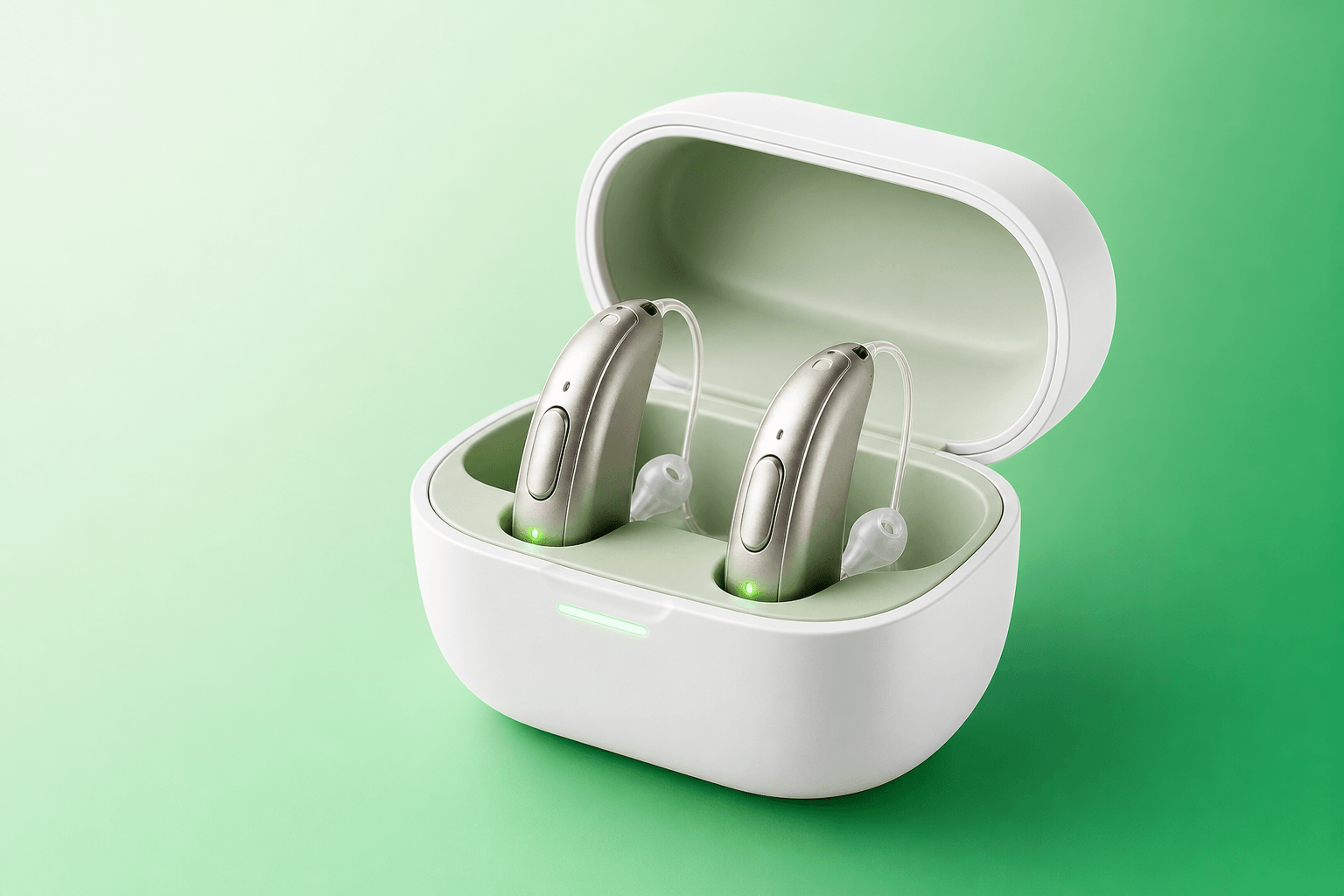
Rechargeable hearing aids use lithium-ion batteries and are placed in a charging station overnight so you start the next day fully powered. They remove the need to replace disposable batteries.
They are advantageous in battery cost and environmental waste. They offer a practical daily routine especially for clients with limited dexterity, busy professionals, and users who prefer not to change batteries.
Charge time and daily wear time vary by model. Portable charge cases can provide extra assurance when traveling. Suitability is assessed together with your usage habits and preferred device style.
Place them in the evening, pick them up in the morning — simple and consistent.
Disposable battery expense and waste are reduced.
Significantly reduces battery waste.
Travel cases allow extra charging on the go.
A ready device every morning with the same routine; no battery stock tracking.
Easier handling for people who find tiny battery changes difficult.
Clients who prefer more sustainable everyday use.
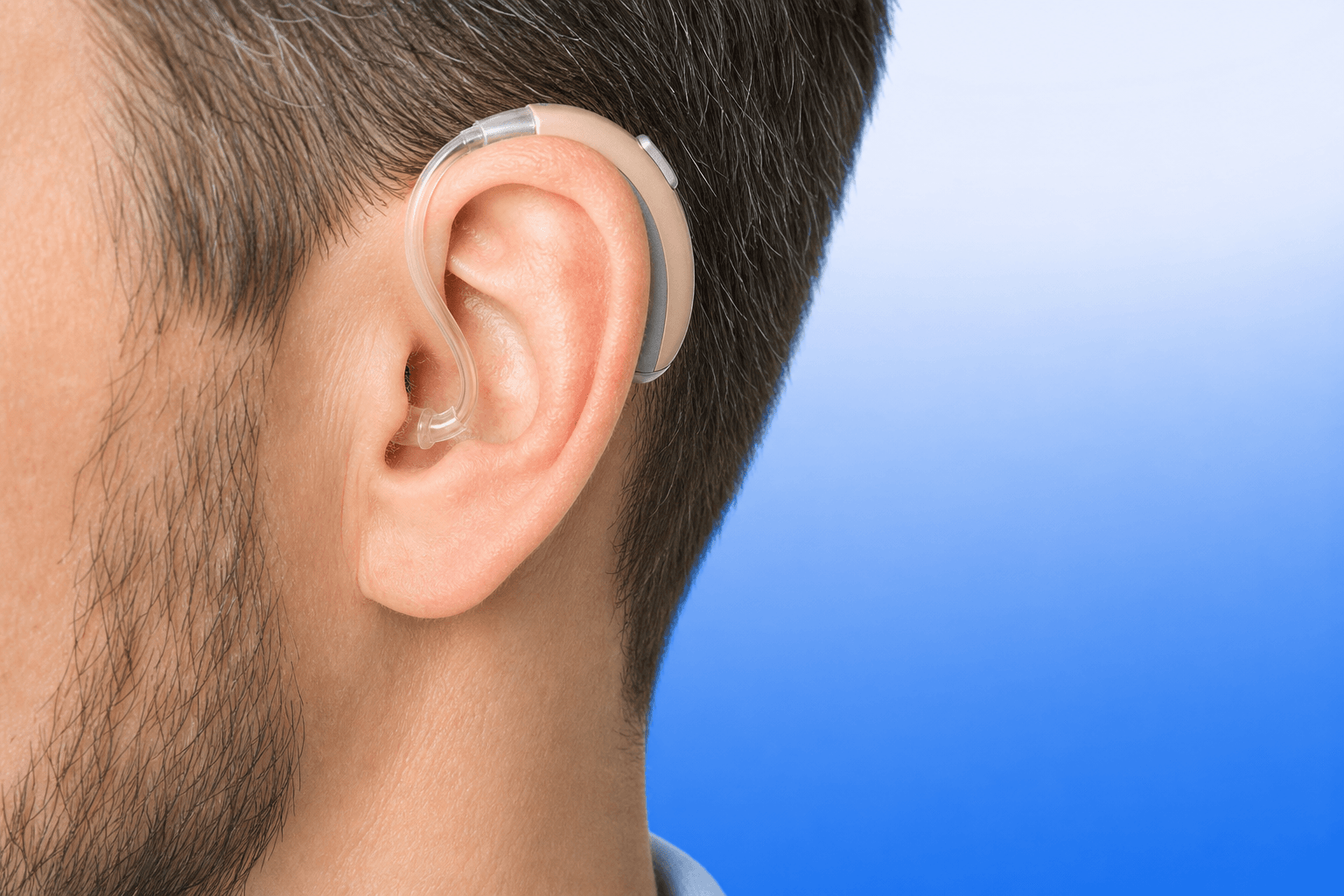
Rechargeable BTE or RIC models are evaluated.
Personalized settings are applied to your hearing profile.
Charging station use and LED indicators are explained.
Battery performance is monitored at check-up appointments.
Both options are reliable; the decision follows your daily habits.
Advantage: Rechargeable: No battery cost, easy routine, more eco-friendly
Alternative: Disposable: No risk of forgetting to charge; sometimes the only option in mini models
It varies by model and use; most cover a full day of wear. Details are shared during the trial.
A fully charged device usually provides a day’s use. A spare charge case or a battery-powered backup model can be considered.
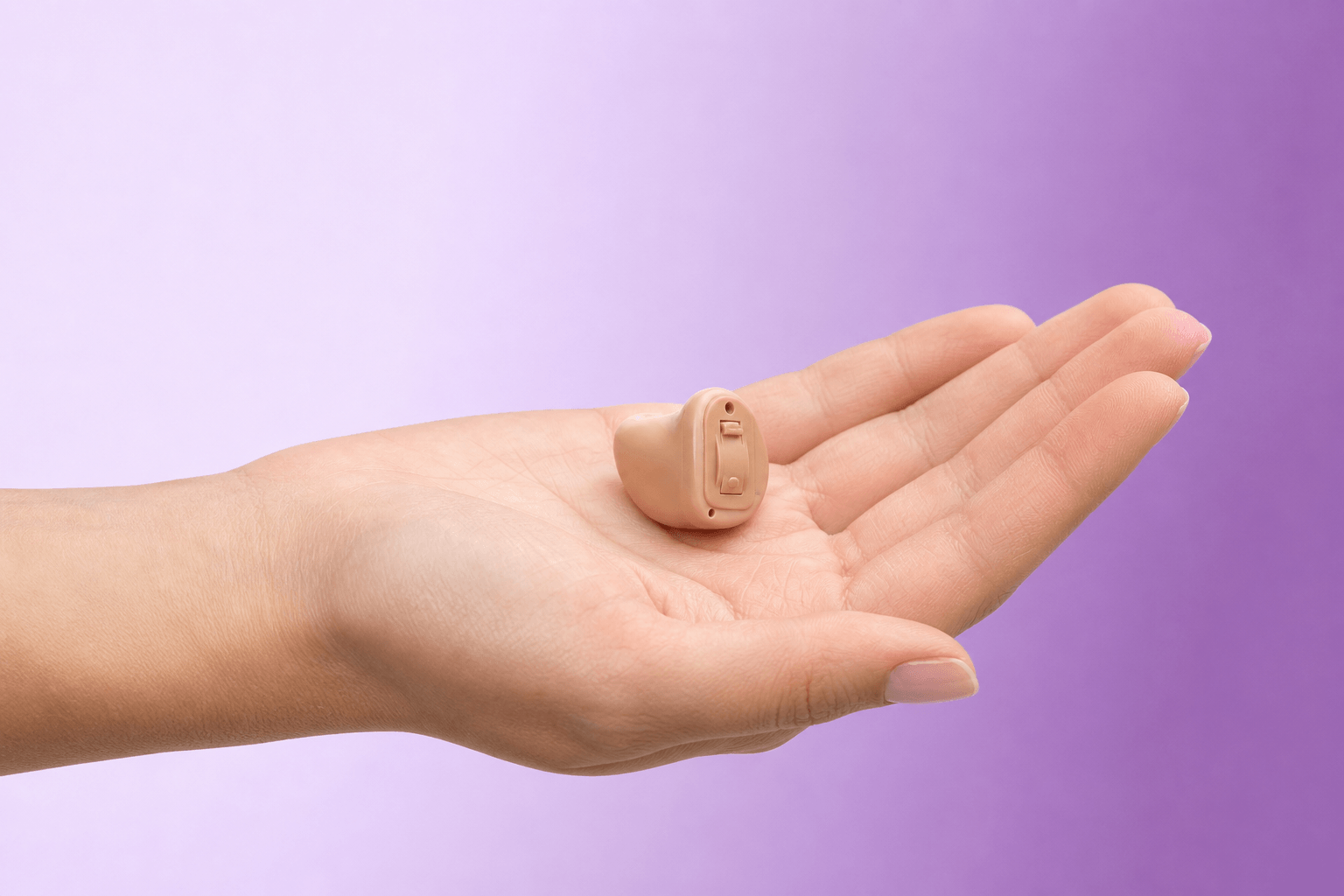
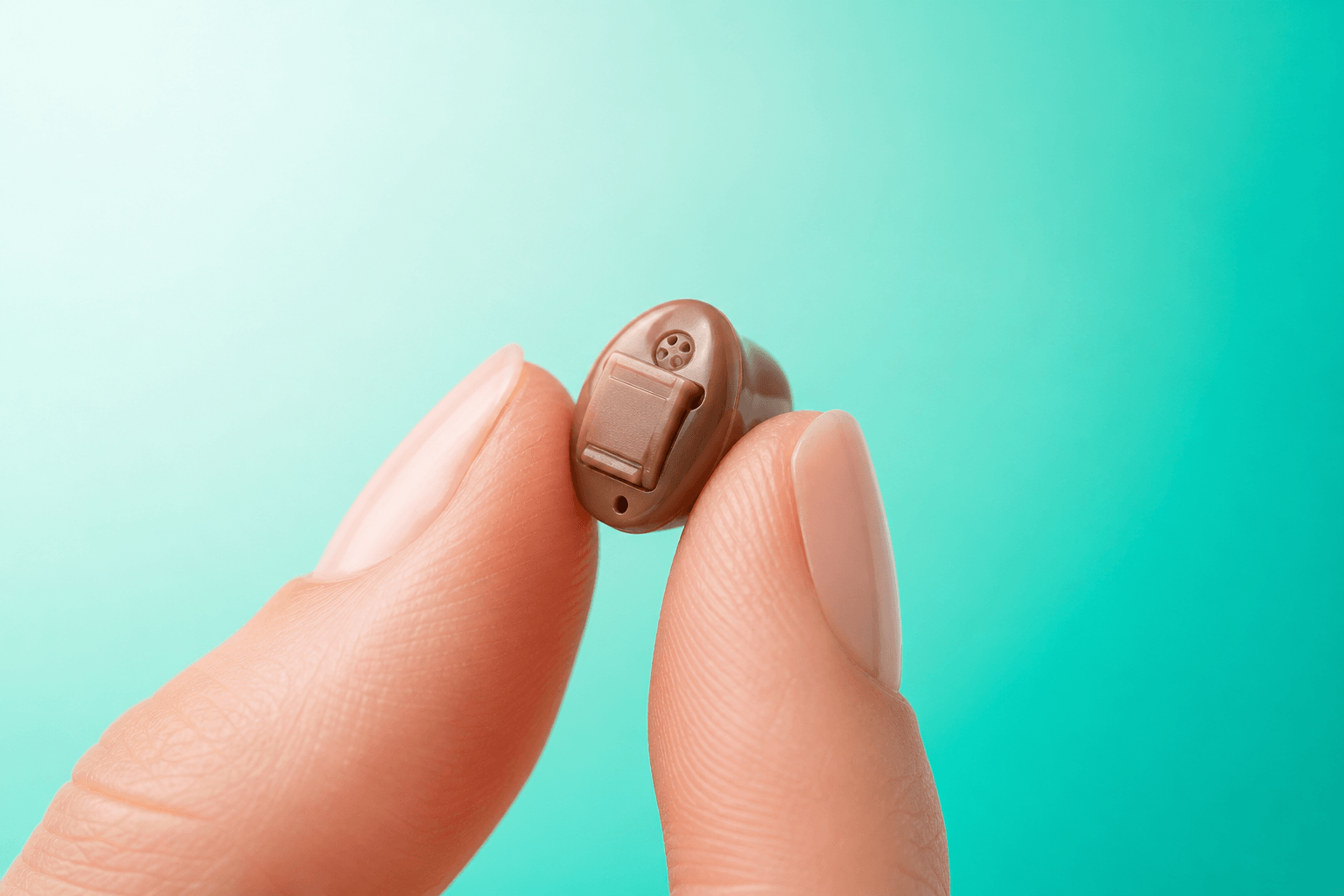
They are common mainly in behind-the-ear and RIC models. Very small in-the-canal models may still rely more on disposable batteries.
Professional assessment is required. This page is for general information only and does not replace diagnosis or treatment. No hearing aid model should be recommended as suitable for everyone without a medical assessment.
Book a hearing test appointment to determine whether a device is suitable for you.