Powerful amplification
Support across a wide frequency range; considered for more advanced losses.
Hearing aids
Behind-the-ear (BTE) models offer strong amplification, broad frequency support, and easy maintenance for moderate to severe hearing loss. Different ear tips allow a personalized fit.
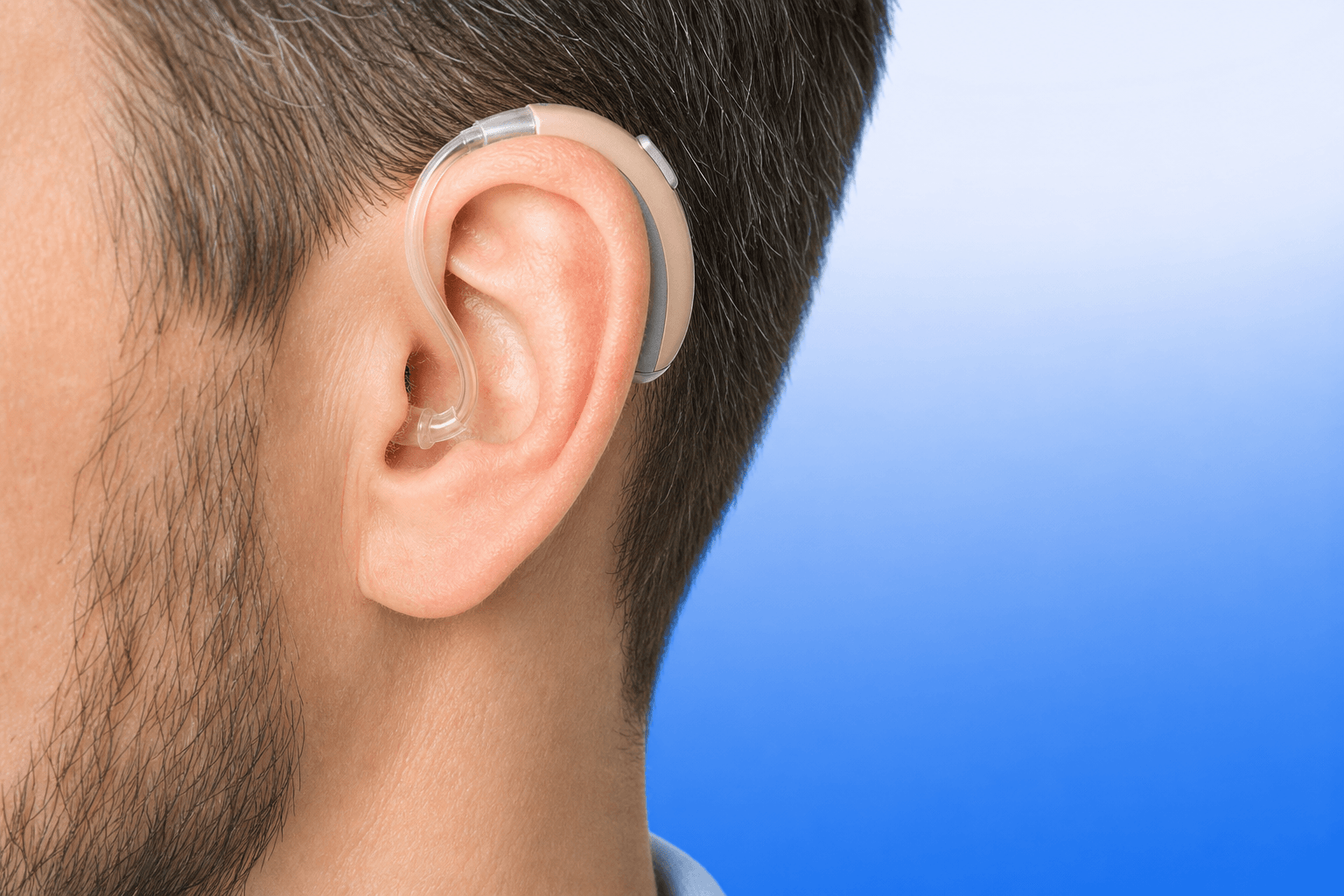
Behind-the-ear (BTE) hearing aids keep the main unit behind the ear and deliver sound to the ear canal through a tube and earmold or tip. They are frequently preferred for moderate to severe hearing loss, offering strong amplification and a broad feature set.
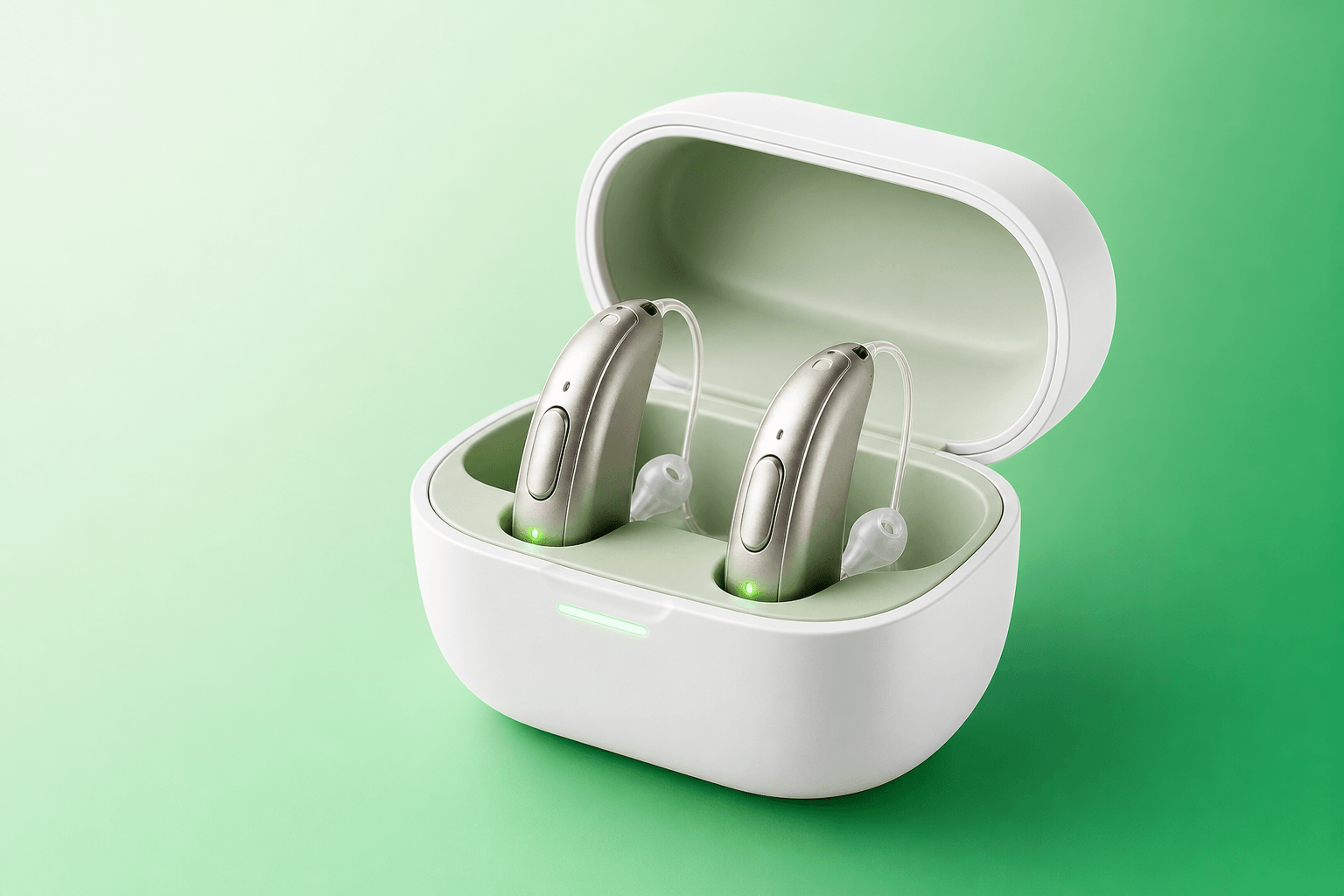
Modern BTE models can improve daily comfort with rechargeable use, Bluetooth connectivity, directional microphones, and noise management. Because the housing sits behind the ear rather than in it, battery changes, cleaning, and servicing are more practical.
Suitability is determined by reviewing your audiogram, ear anatomy, visibility preference, and manual dexterity together. A trial period is the most reliable way to learn which model feels most comfortable for you.
Support across a wide frequency range; considered for more advanced losses.
Fine-tuning based on audiometry results and regular follow-up appointments.
Complementary solutions such as TV streamers, remote controls, and charging units.
Long-lasting performance with a simple insert/remove routine and easy care.
Programs that help speech stand out in restaurants, meetings, and family gatherings.
Secure fitting and moisture-management options for sports and outdoor activities.
Easier handling with larger controls, rechargeable models, and practical battery management.
Audiometry determines the degree and profile of hearing loss.
BTE housing size and earmold or tip type are planned together.
Real-world trial and personalized programming are completed.
Performance is optimized through check-up appointments.
Both styles offer different advantages; the decision is based on your hearing profile.
Advantage: BTE: Strong amplification, easy care, wide feature choice
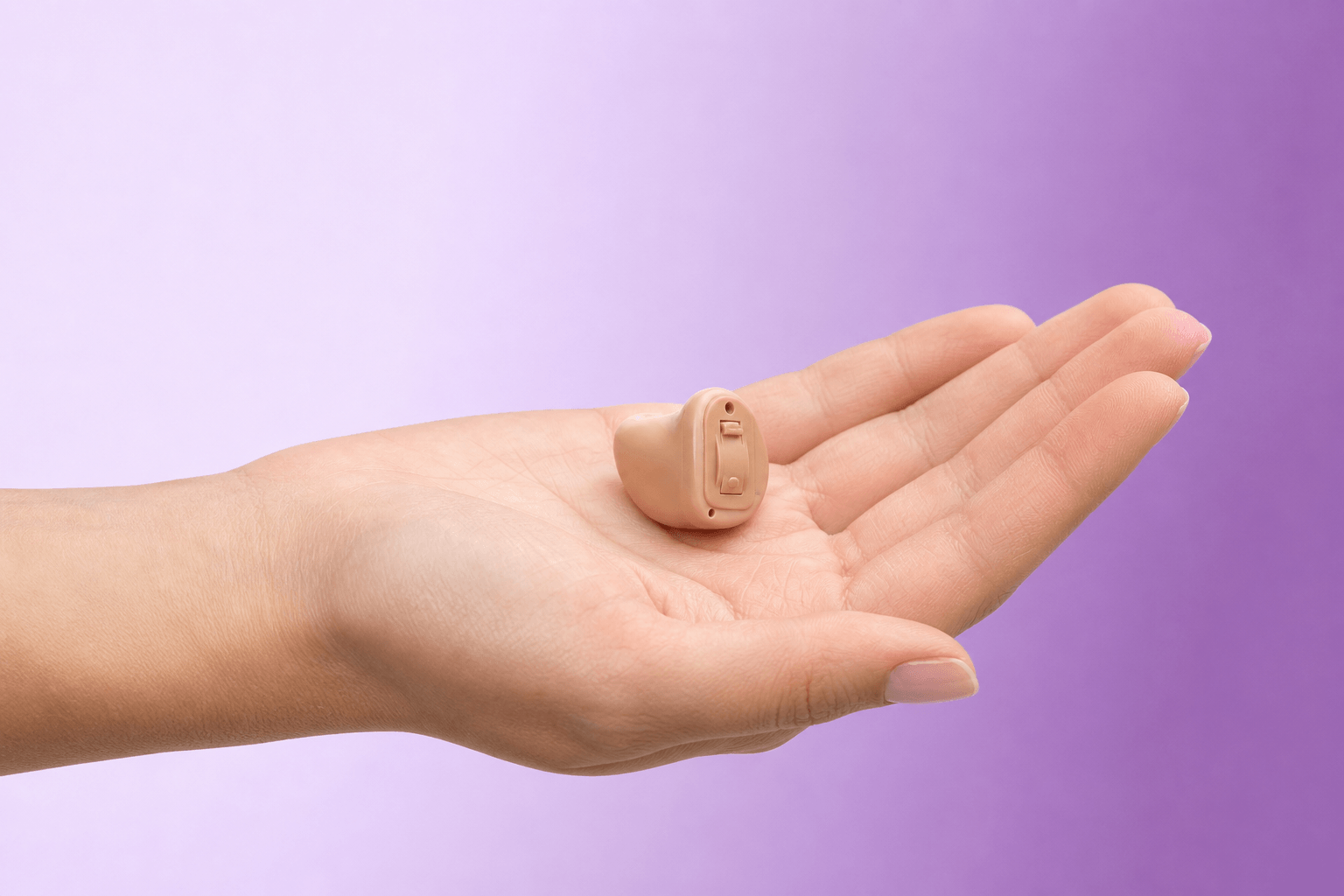
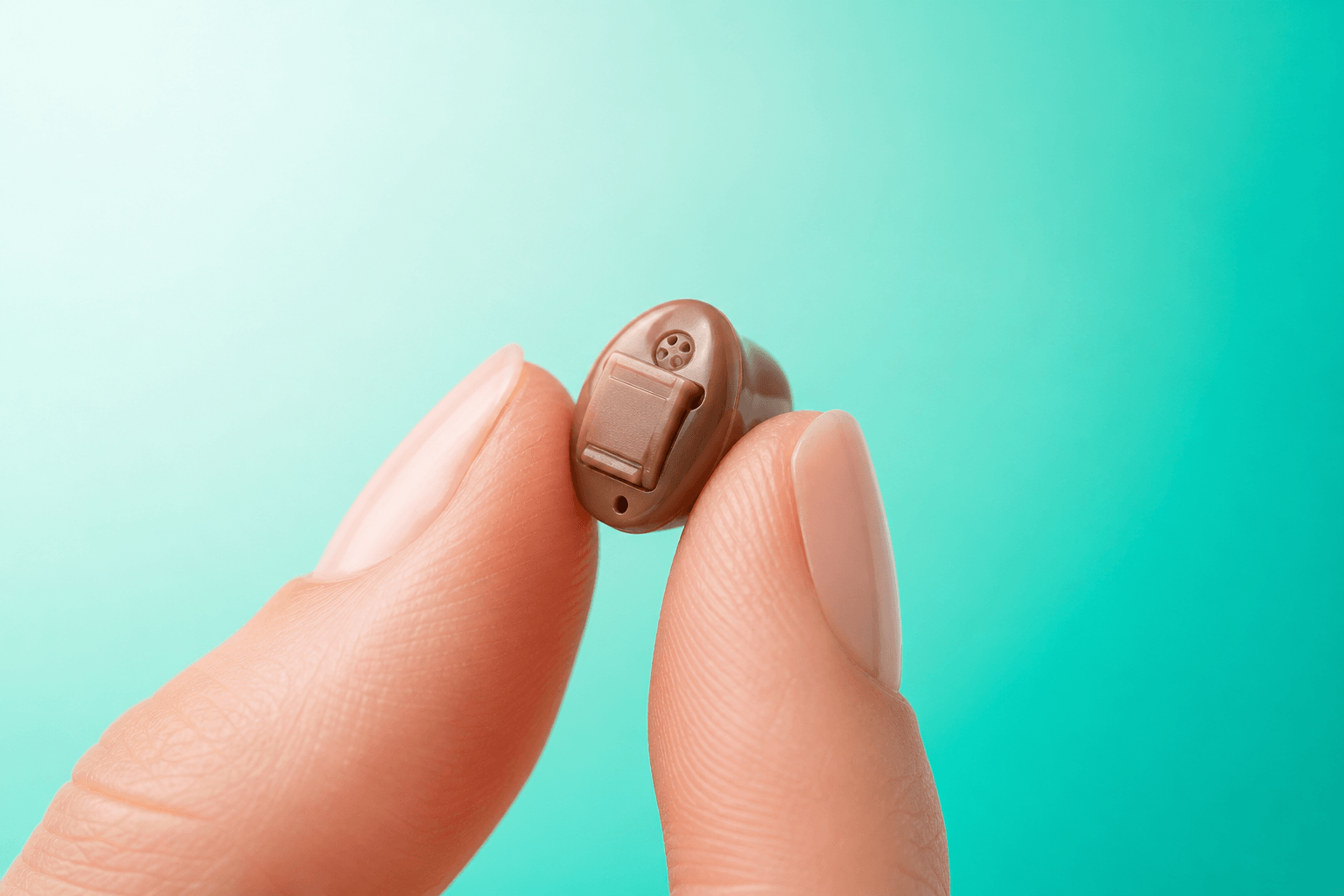
Alternative: ITE: Less visible profile, natural phone position
Yes, they can be considered across a wide age range from children to older adults. In pediatric cases, durable retention and colorful models stand out.
The main unit sits behind the ear and can be partly concealed by hair or glasses. Mini BTE models offer a more compact profile.
Yes, many manufacturers offer rechargeable behind-the-ear devices. An overnight charge routine means you start the morning fully powered.
Professional assessment is required. This page is for general information only and does not replace diagnosis or treatment. No hearing aid model should be recommended as suitable for everyone without a medical assessment.
Book a hearing test appointment to determine whether a device is suitable for you.