Custom shell production
A comfortable fit that matches your ear anatomy precisely.
Hearing aids
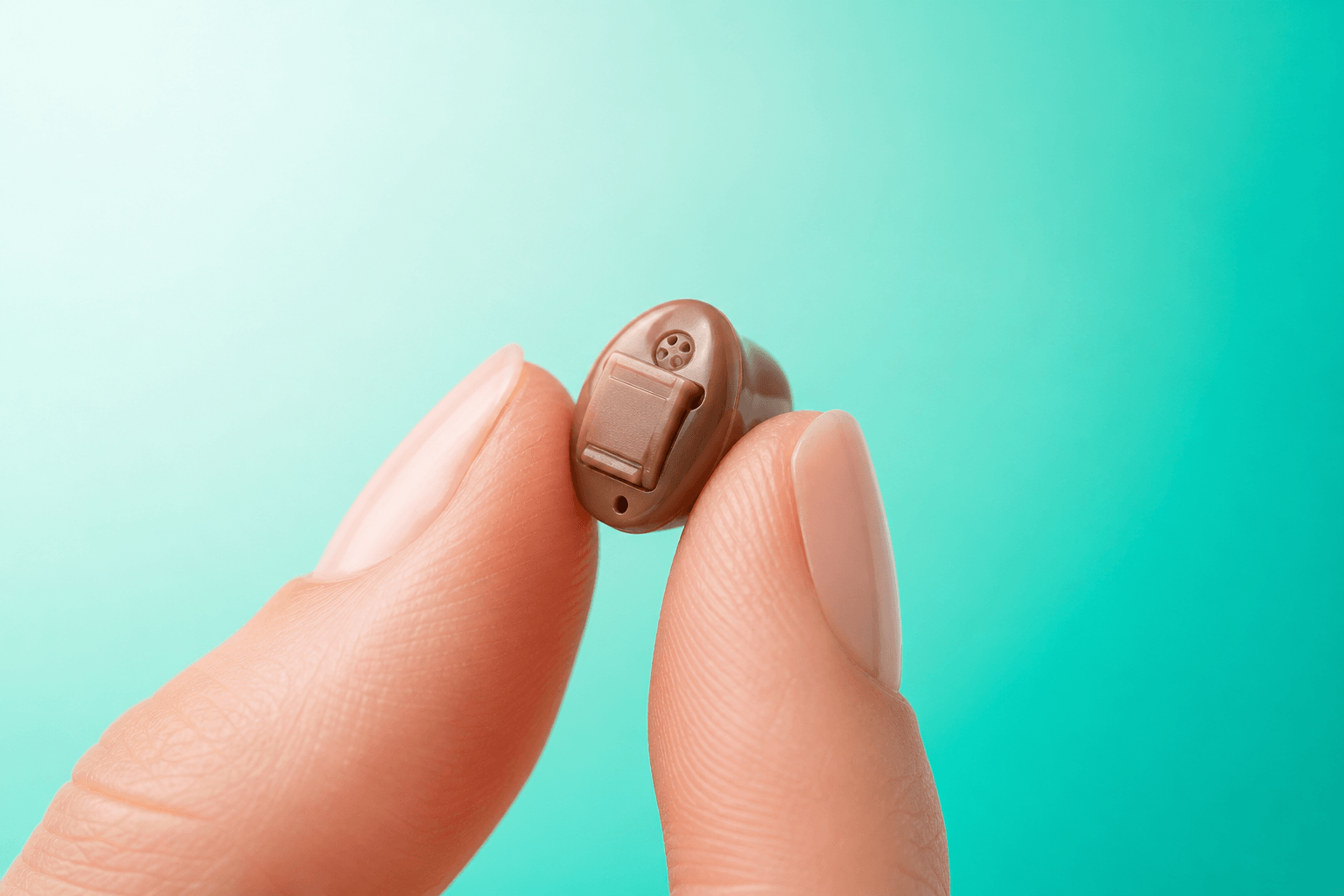
In-the-ear (ITE) devices are custom-made from an impression of your ear. They offer a less visible form factor, making them a strong choice for phone use and everyday discretion.
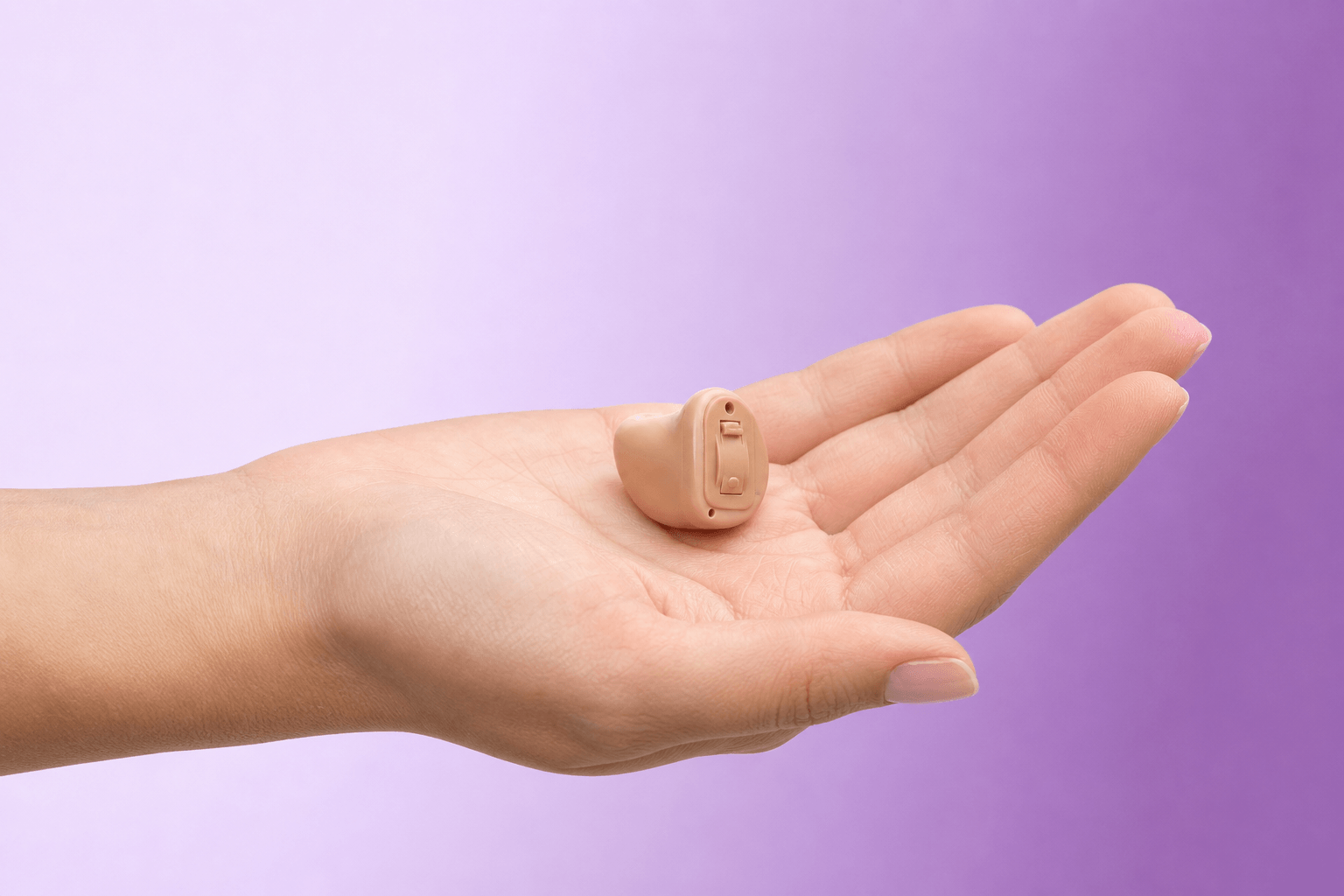
In-the-ear (ITE) devices sit in your ear using a custom shell made from an impression or digital scan of your ear. Compared with behind-the-ear models, they offer a less noticeable profile and a natural position for telephone use.
The ITE family includes full-shell, half-shell, and canal styles. Your degree of hearing loss, ear-canal size, and manual dexterity determine which style is appropriate.
An ear impression or 3D scan appointment is scheduled for shell production. Once the shell is ready, fitting, programming, and usage training are completed in the same appointment cycle.
A comfortable fit that matches your ear anatomy precisely.
Comfortable use while holding the handset naturally to the ear.
A compact design that is less noticeable from the outside.
Separate programs for quiet settings, outdoor use, and phone calls.
A discreet appearance preference for meetings and face-to-face conversations.
The advantage of a natural ear position during daily calls.
Sufficient amplification combined with a compact form.
Shell data is captured via impression or digital scan.
A custom housing is prepared in the laboratory.
The device is fitted; programming and training are provided.
Follow-up visits in the first weeks for comfort.
Canal models are smaller; ITE devices can offer larger control buttons.
Advantage: ITE: Easier insert/remove, larger battery and control area
Alternative: CIC: Nearly invisible, more compact profile
No. The procedure is brief and usually causes little or no discomfort. Impression material or a digital scanner is used.
In very narrow canals or certain anatomies, a behind-the-ear model may be recommended. Suitability is clarified during assessment.
Replacement may be needed as the ear changes or as wear develops. This is monitored during regular check-ups.
Professional assessment is required. This page is for general information only and does not replace diagnosis or treatment. No hearing aid model should be recommended as suitable for everyone without a medical assessment.
Book a hearing test appointment to determine whether a device is suitable for you.