Evidence-based assessment

Ear health

Tinnitus Assessment & Evaluation

Nokta İşitme is here for ear ringing and tinnitus assessment in İzmir. At our Bozyaka and Yeşilyurt locations, we listen to your concerns, clarify your hearing profile, and refer to the appropriate healthcare specialist when needed — with a scientific, transparent approach and no promise of a definitive cure.

  • Structured complaint analysis
  • Hearing test connection
  • Evidence-based information
  • Appropriate referral
Subjective Ringing Assessment
4 Step Clinical Process
2 İzmir Locations
10–15% Prevalence in Adults*
Urgent care

When should you see a doctor without delay?

Most ear ringing is not life-threatening; however, when it occurs with the symptoms below, same-day medical evaluation is needed.

  • Sudden unilateral ringing or hearing loss
  • Dizziness, balance problems, or vertigo
  • Facial paralysis, facial numbness, or double vision
  • Severe, sudden headache
  • Ear pain, discharge, or pressure
  • Neurological symptoms (limb weakness, speech difficulty)

This list does not provide a diagnosis. If you suspect an emergency, go to the nearest healthcare facility or ER; Nokta İşitme does not offer emergency diagnosis.

Book appointment
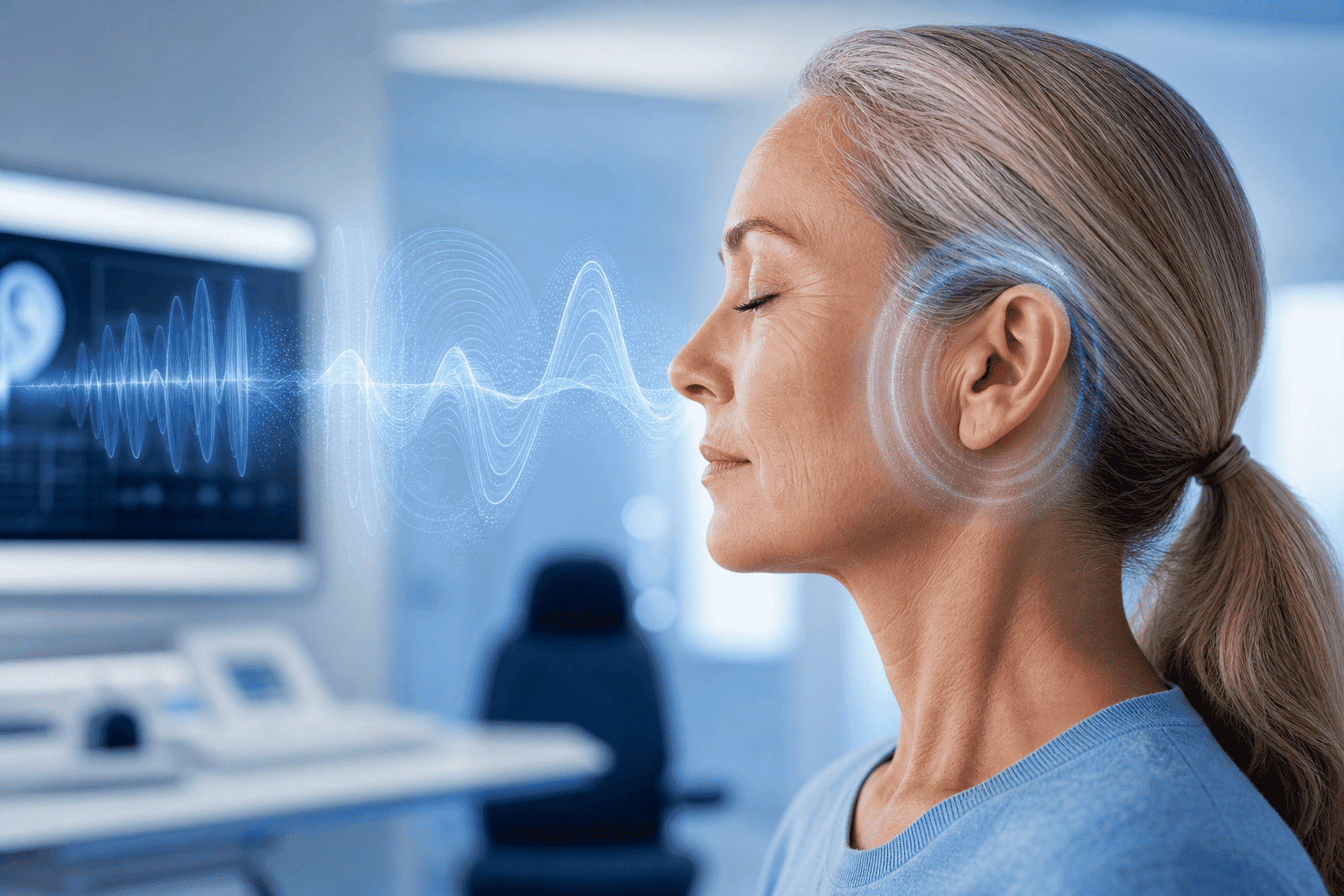
Visual representing tinnitus discomfort — the perception of internal sound in the ear
Tinnitus assessment

Ear ringing (tinnitus): understanding the sound you hear.

Nokta İşitme is here for ear ringing and tinnitus assessment in İzmir. At our Bozyaka and Yeşilyurt locations, we listen to your concerns, clarify your hearing profile, and refer to the appropriate healthcare specialist when needed — with a scientific, transparent approach and no promise of a definitive cure.

Tinnitus is the perception of ringing, buzzing, whistling, humming, or similar sounds in the ear or head when there is no external sound source. Most people experience subjective tinnitus: the sound is heard only by the individual. Less common objective tinnitus can sometimes be detected during examination and requires different clinical approaches.

From a current audiology and neuroscience perspective, tinnitus is not a single disease; it is a cluster of symptoms arising from the interaction of the auditory system, central nervous system, and individual stress/attention processes. Hearing loss, noise exposure, earwax blockage, middle ear problems, certain medications, temporomandibular joint tension, sleep disorders, and anxiety can trigger or worsen the complaint.

At Nokta İşitme, our goal is not to diagnose or offer a "definitive cure." Our aim is to listen to your complaint in a structured way, share findings related to the hearing assessment, clarify points that make daily life difficult, and explain supportive management options (e.g., hearing aids, sound enrichment, lifestyle recommendations) clearly, with ENT / specialist referral when needed.

Structured complaint analysis Hearing test connection Evidence-based information Appropriate referral Bozyaka & Yeşilyurt

Types of tinnitus

The difference between subjective and objective tinnitus.

The type of ringing is an important clue for possible causes and the referral plan during assessment.

Subjective tinnitus

The most common form; the sound is heard only by the individual. It is often linked to hearing loss, noise damage, stress, and central nervous system sensitivity.

  • Seen in the vast majority of cases
  • Audiometry and complaint analysis are the core assessment
  • Management: sound enrichment, devices, lifestyle

Objective tinnitus

Rarer; in some cases it can also be perceived during examination. It may be vascular or muscular; ENT evaluation takes priority.

  • Pulse-synchronous humming is often reported
  • ENT review and imaging may be needed
  • Different clinical approach and referral
Epidemiology

How common is tinnitus?

*Rates vary by study; for general information only.

10–15% Lifetime prevalence in adults*
1–2% Severely affecting daily life
65+ Risk increases with age
Process

Tinnitus assessment in 4 steps.

A calm, understandable, and personalized assessment experience from listening to your complaint to referral.

01

Complaint Consultation

Type of ringing (ringing, buzzing, whistling), duration, unilateral/bilateral nature, nighttime increase, stress relationship, and impact on daily life are discussed.

02

Hearing Assessment

Hearing thresholds are measured with audiometry if needed. Tinnitus is often seen together with hearing loss or noise damage.

03

Explaining Findings

Results are explained in plain language. Possible related factors of tinnitus and "what can and cannot be done" are clarified.

04

Referral & Plan

ENT / specialist referral when needed; hearing aid, sound enrichment, or follow-up plan recommended when appropriate.

Assessment Areas

What do we address in a tinnitus consultation?

We listen to your complaint from multiple angles; each item is an assessment framework, not a diagnosis.

Sound Character

Ringing, buzzing, whistling, humming; continuous / intermittent; unilateral or bilateral

Hearing Profile

Threshold measurement with audiometry; examining the hearing loss–tinnitus relationship

View →

Daily Impact

Assessment of impact on sleep, concentration, work/school, and emotional burden

Triggers

Related factors such as noise, stress, silence, caffeine, jaw tension

Device Suitability

Discussion of device and sound enrichment options when hearing loss is present

View →

Referral

Clear and transparent referral when ENT or specialist care is needed

Scientific Perspective

What you should know about tinnitus.

The summaries below are for general information; they do not replace individual diagnosis or treatment. Based on current audiology and clinical approaches.

Woman covering her ears — representing intense ear ringing and sound discomfort
Definition & Mechanism

What is tinnitus? Why does the brain produce "sound"?

In the classical model, damage to hair cells in the inner ear (cochlea) or hearing loss reduces neural input to the brain. Central auditory pathways may develop hyperactivity while trying to compensate for this "missing input"; the person perceives this as ringing, buzzing, or whistling.

For this reason, tinnitus is often addressed as a result of hearing–brain interaction rather than purely an "ear disease." Stress, sleep deprivation, and attention focus can increase awareness of the sound and make the complaint more bothersome.

  • Subjective tinnitus is the most common form
  • Frequently seen together with hearing loss
  • Central nervous system sensitivity plays a role
  • Stress and attention can intensify perception

Sudden onset unilateral ringing with hearing loss, vertigo, or neurological symptoms requires urgent medical evaluation.

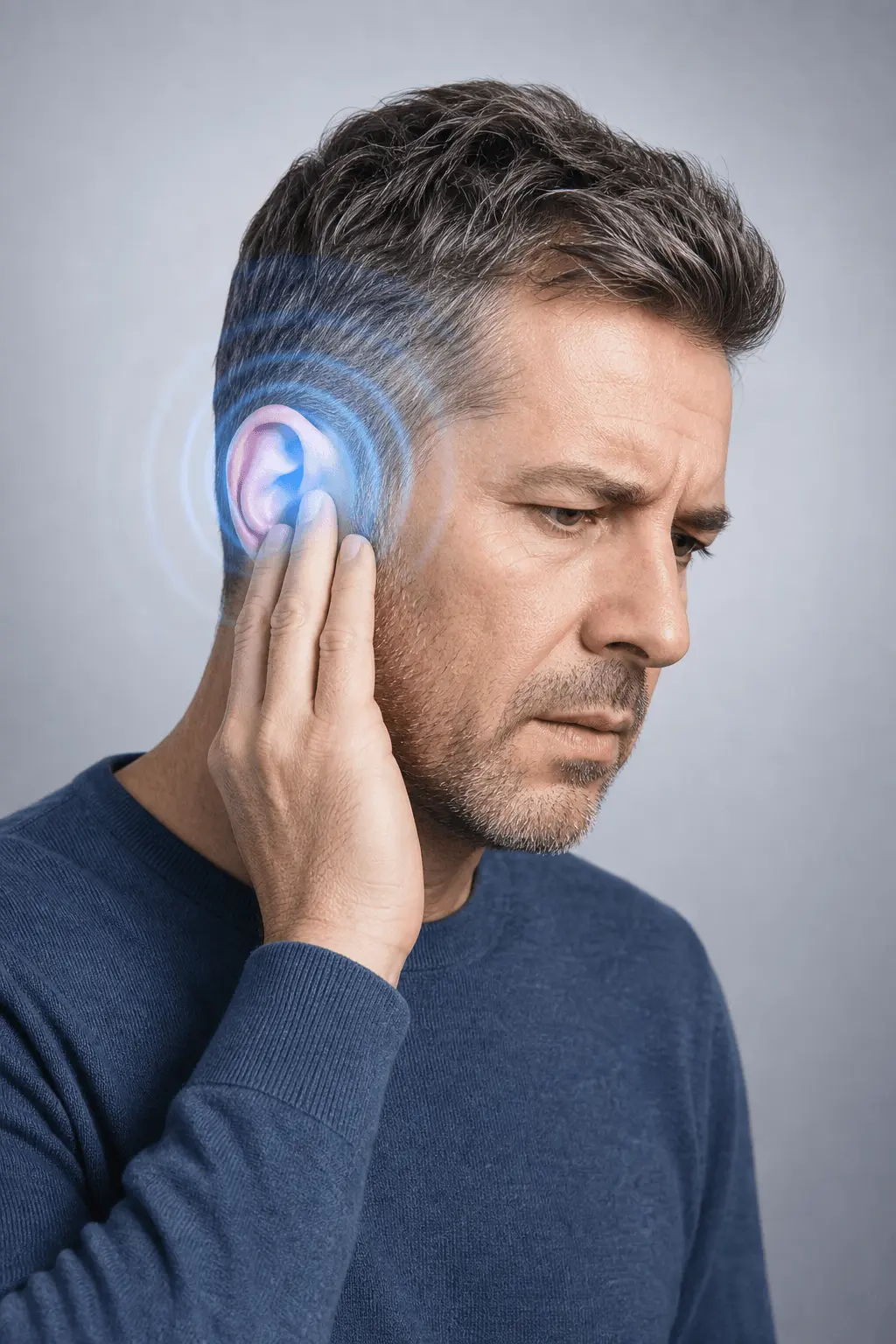
Man touching his ear — visualizing tinnitus and inner ear discomfort
Causes & Triggers

Common factors that trigger ear ringing.

Tinnitus has no single cause. The most commonly associated conditions include noise-induced hearing damage, age-related hearing loss (presbycusis), sudden hearing loss, middle ear disorders, earwax blockage, and certain ototoxic medications.

Temporomandibular joint (jaw) tension, neck muscle tightness, high blood pressure, sleep apnea, excessive caffeine/alcohol, and systemic or lifestyle factors such as anxiety and depression can also worsen the complaint. The goal of assessment is not to find a single culprit but to map related factors.

  • Noise exposure and hearing loss
  • Earwax / middle ear problems
  • Medication and systemic health factors
  • Jaw–neck tension, stress, sleep

Medication changes or discontinuation should only be done under physician supervision; this page does not provide medication advice.

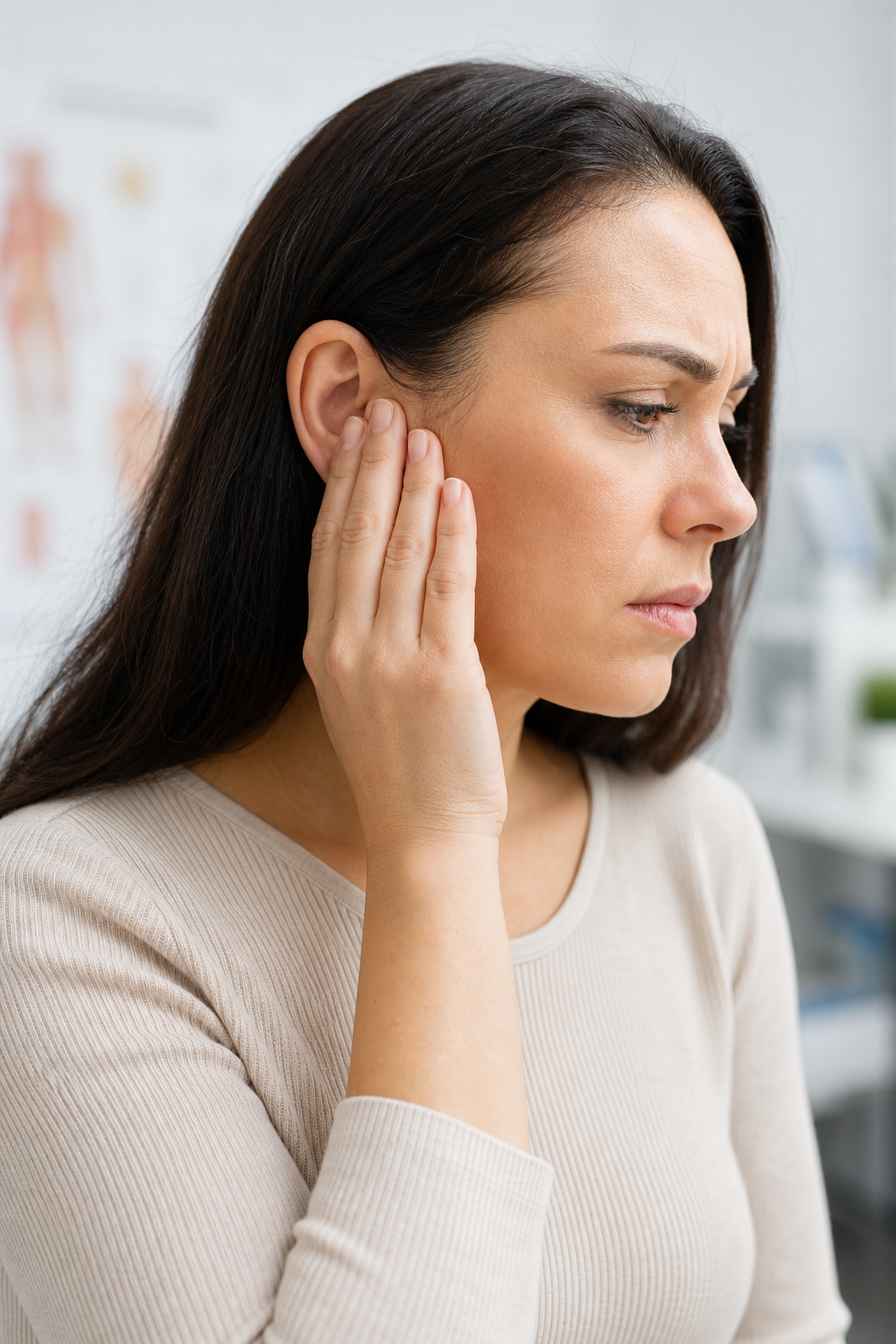
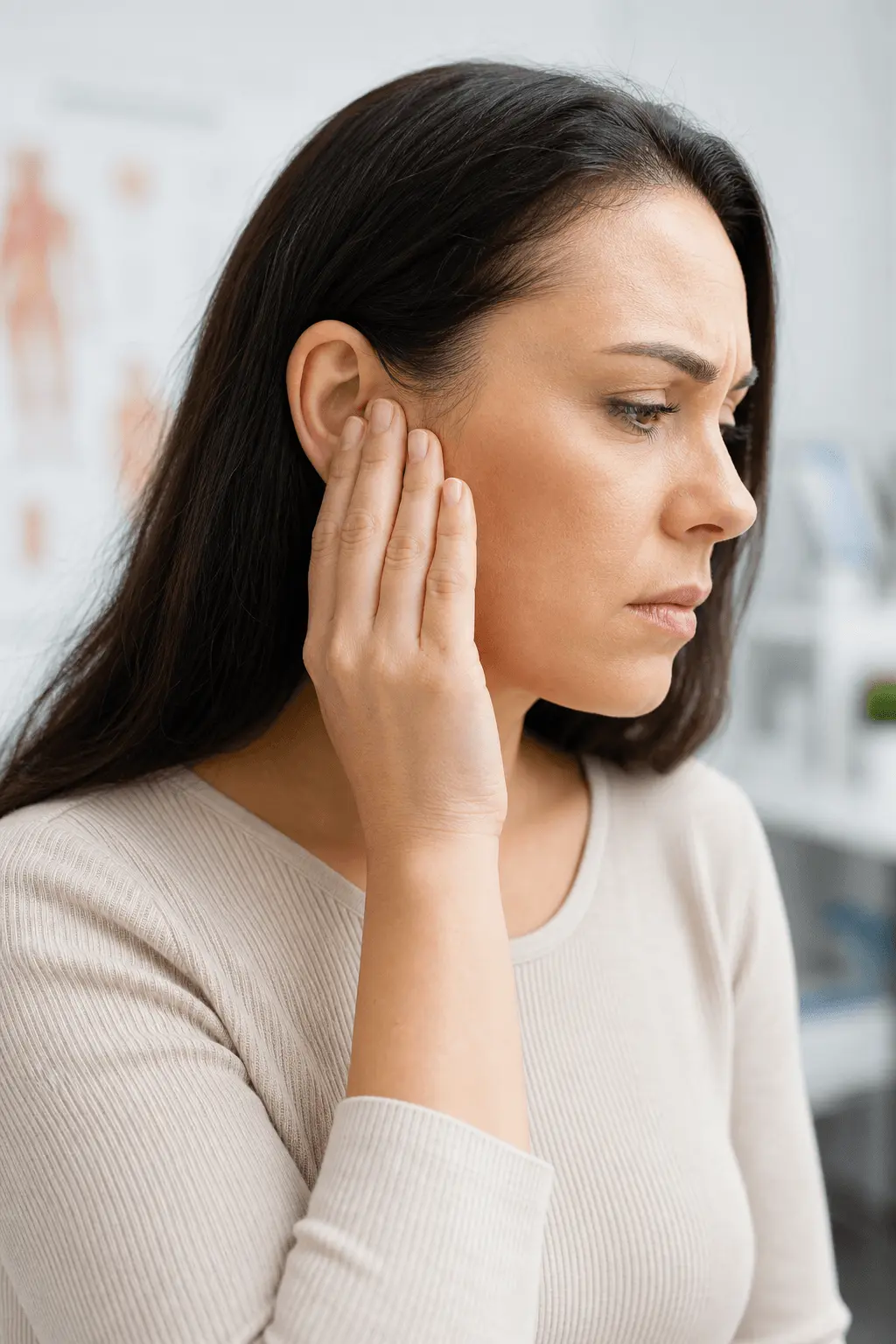
Woman holding her ear — showing the impact of tinnitus on daily life
Management Approaches

Evidence-based management: what may help?

For many people, tinnitus does not completely "disappear"; the goal is often not to eliminate the sound but to reduce awareness and discomfort and improve quality of life (habituation). When hearing loss is present, an appropriate hearing aid may help reduce the relative prominence of ringing by enriching environmental sounds.

Sound therapy / sound enrichment, counseling, sleep hygiene, noise protection, and stress management are commonly recommended supportive approaches. Some centers use TRT (Tinnitus Retraining Therapy) or cognitive behavioral approaches (CBT); suitability depends on the individual and clinical referral.

  • Device evaluation when hearing loss is present
  • Sound enrichment and avoiding complete silence
  • Sleep, stress, and noise management
  • ENT / multidisciplinary referral when needed

Nokta İşitme does not promise definitive treatment or medication therapy; we offer assessment, information, and appropriate referral.

*Prevalence rates of tinnitus in the adult population vary by study; approximately 10–15% is frequently reported. This page is not medical advice.

Why Nokta İşitme?

Scientific and transparent assessment.

Feeling Understood

Ringing is not "exaggeration." We listen to your complaint without judgment and take its daily impact seriously.

Hearing-Based Perspective

Tinnitus is often related to the hearing profile. We clarify the picture with audiometry when needed.

Transparent Boundaries

No promise of definitive treatment. We clearly state what we can do and when you should see a physician.

Concrete Next Step

Referral, hearing aid assessment, or follow-up — a clear plan suited to you is created.

Service Scope

What is included in tinnitus assessment?

A structured consultation framework focused on information and referral.

  • Structured tinnitus complaint consultation
  • Duration, type, side, and trigger analysis
  • Discussion of impact on daily life and sleep
  • Hearing test / audiometry if needed
  • Clear explanation of findings
  • General information (mechanism & management principles)
  • Discussion of hearing aid / sound enrichment when appropriate
  • ENT / specialist referral when needed
  • Follow-up and check recommendations
Get started →
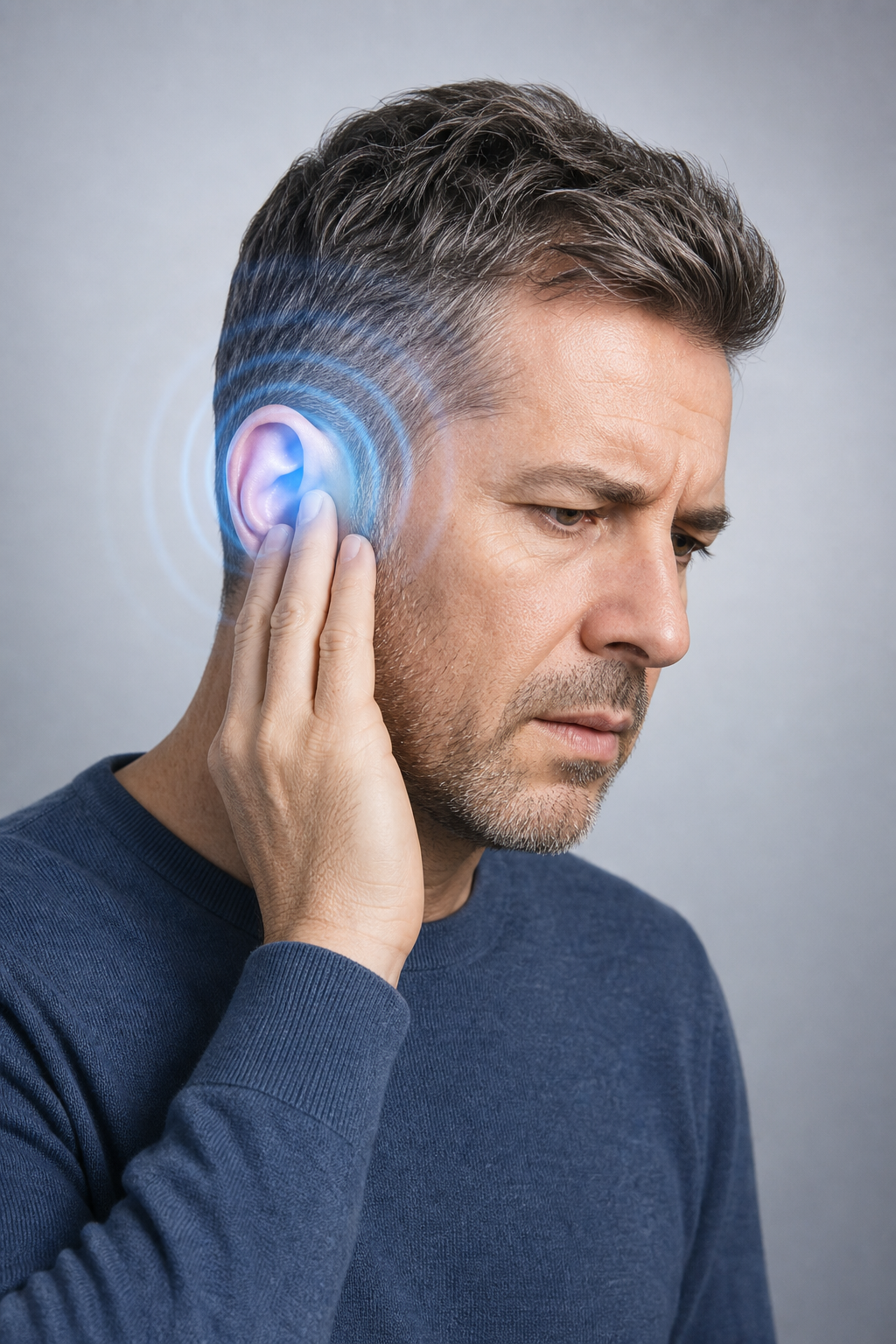
Visual representing ear ringing complaint
Evidence-based information
Daily Support

Practical tips to help manage ringing.

Avoid complete silence

Very quiet environments can make ringing more noticeable. Low-level ambient sound, a fan, or nature sound apps may be soothing for some people.

Prioritize sleep hygiene

Regular sleep schedule, reducing screen time before bed, and low-level sound enrichment in the bedroom may help reduce nighttime awareness.

Protect against noise

Exposure to loud sound can worsen hearing and tinnitus. Use appropriate protection at concerts, with machinery, or in intense noise.

Recognize the stress cycle

Anxiety can lead to ringing, and ringing can lead to anxiety. Breathing, walking, and professional support can help break this cycle; seek specialist referral when needed.

FAQ

Frequently asked questions about ear ringing and tinnitus.

Common questions about tinnitus assessment in İzmir, causes, management approaches, and when to see a physician.

What is tinnitus (ear ringing)?

Tinnitus is the perception of ringing, buzzing, whistling, or similar sounds in the ear or head when there is no external sound source. In most people it is subjective; only the individual hears it. It is not a disease on its own but a symptom that may be associated with various factors.

What causes ear ringing?

Frequently associated factors include hearing loss, noise damage, age-related hearing changes, earwax, middle ear problems, certain medications, jaw/neck tension, stress, and sleep disorders. The exact cause may not always be found; assessment helps map related factors.

Can tinnitus be treated?

For many people, tinnitus may not completely go away. The current approach is often to reduce discomfort and improve quality of life rather than "eliminate" the sound. Hearing aids, sound therapy, counseling, and lifestyle adjustments may benefit some individuals. No promise of definitive treatment is made.

When should I see a doctor / ENT specialist?

Sudden onset ringing, prominent unilateral complaint, accompanying sudden hearing loss, vertigo, balance problems, facial paralysis, severe headache, or neurological symptoms require prompt medical evaluation. Nokta İşitme provides referral in such cases; we do not make emergency diagnoses.

Is a hearing test necessary for tinnitus?

Most often yes. Tinnitus is frequently related to the hearing profile. Audiometry helps clarify whether hearing loss is present and whether device/referral is needed. The decision to test is made based on complaint history.

Can hearing aids help with ringing?

For some people with hearing loss, an appropriate device may help reduce the relative prominence of ringing by increasing environmental sounds. A device is not needed in every tinnitus case; suitability is discussed after assessment.

Why does ringing increase at night?

The environment is quieter at night, so the brain notices ringing more easily. Sleep hygiene, low-level sound enrichment, and stress management may ease nighttime complaints for some people.

Is tinnitus dangerous?

Most tinnitus is not life-threatening; however, it can seriously affect quality of life. Ringing with sudden, unilateral onset or additional neurological/hearing symptoms requires urgent medical evaluation.

How is tinnitus assessment done at Nokta İşitme?

At our İzmir Bozyaka and Yeşilyurt locations, your complaint is discussed, a hearing test is performed if needed, findings are explained, and appropriate referral or supportive options are shared. The process is focused on information and referral.

Is the assessment a diagnosis or treatment?

No. This service is for general information, hearing assessment, and referral; it does not replace medical diagnosis or treatment. There is no health claim or promise of definitive treatment.

Can children also have tinnitus?

Yes, it can occur in children and adolescents. Assessment is done with age-appropriate communication; pediatric ENT / specialist referral is recommended when needed.

What should I bring to the appointment?

Previous hearing tests, a list of medications you use, and notes about when your complaint started speed up the process. No special preparation is required.

Appointment

Book an appointment for ear ringing assessment.

At our İzmir Bozyaka and Yeşilyurt locations, we listen to your tinnitus concerns, clarify your hearing profile, and share appropriate referral.

Bu web sitesindeki bilgiler genel bilgilendirme amacı taşır. Tanı ve tedavi yerine geçmez. İşitme sağlığınızla ilgili değerlendirme için yetkili sağlık profesyonellerine başvurunuz.

*Prevalence rates of tinnitus in the adult population vary by study; approximately 10–15% is frequently reported. This page is not medical advice.

Appointment for Tinnitus

Book an appointment to receive this service at our Izmir branches.