
Medically reviewed by Nokta İşitme Audiology Team (Audiologist) according to hearing health information standards.
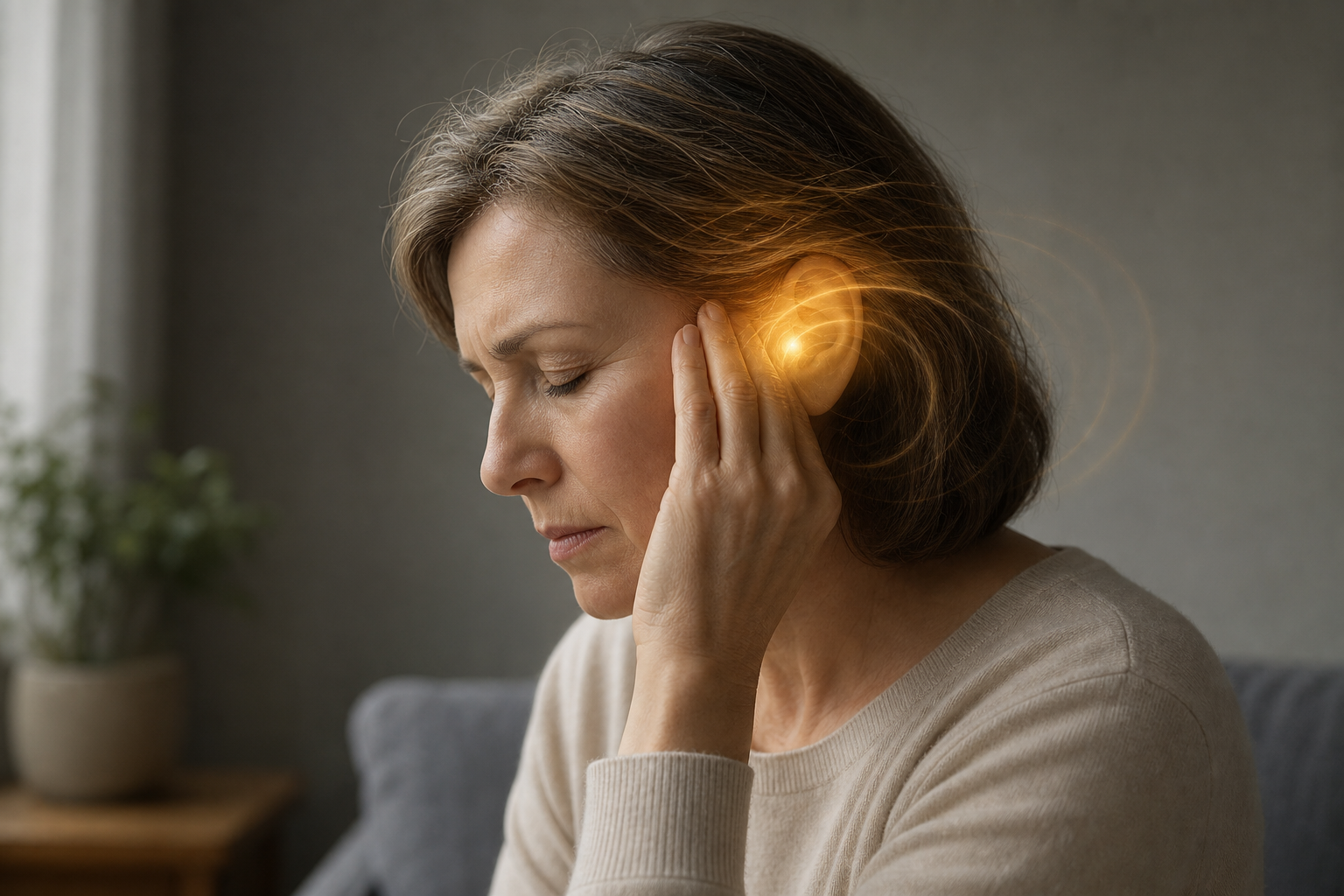
Tinnitus - medically known as tinnitus - is the feeling of ringing, buzzing, whistling or buzzing in the ear or head despite the absence of an external sound source. It occurs in approximately 10–15% of adults worldwide and can affect quality of life. In this article, we explain the possible causes of tinnitus, its relationship with hearing loss, and when you should seek professional help.
What is Tinnitus?
Tinnitus can be subjective (heard only by the person) or objective (can also be detected on examination). Subjective tinnitus is observed in most cases. The sound may be unilateral or bilateral; is continuous or intermittent. Its frequency and intensity vary greatly from person to person.
An important point: tinnitus is a symptom, not a disease in itself. The underlying cause may be many factors such as hearing loss, ear infection, medication side effect, jaw joint problem or stress. Therefore "what causes tinnitus?" There is no single answer to the question; Individual evaluation is required.
At Nokta İşitme, within the scope of our tinnitus evaluation service, we listen to your complaint in a structured way, evaluate your hearing profile and provide appropriate guidance when necessary. Our Tinnitus information page also provides an overview of the subject.
Common Causes of Tinnitus
Triggers of tinnitus are very diverse. Below you can find the most common causes.
Hearing Loss and Noise Exposure
One of the most common causes is hearing loss — especially at high frequencies. Hearing loss that develops with age (presbycusis) or long-term exposure to noisy environments (acoustic trauma) can damage the auditory nerves. The damaged auditory system may produce the perception of tinnitus in the central nervous system to compensate for the missing sound input.
Using headphones at concerts, factories, construction sites or at high volumes poses a risk. Even a single episode of intense noise can trigger temporary or permanent tinnitus. The use of protective headphones and limiting sound exposure are important precautions.
Earwax and External Ear Canal Obstruction
Excessive earwax accumulation can temporarily reduce hearing and trigger tinnitus or accentuate existing tinnitus. Cases where tinnitus improves after earwax removal are common. Avoid using ear swabs; It can push dirt in. Consult an ENT or healthcare professional for cleaning.
Ear Infections and Middle Ear Problems
Otitis media (middle ear infection), eustachian tube dysfunction and sinusitis can cause tinnitus. Usually, when the infection or inflammation is treated, the tinnitus decreases. If there is unilateral tinnitus and hearing loss, a more comprehensive evaluation is required.
Drugs and Ototoxic Substances
Some medications can damage the hearing system (ototoxicity) and trigger tinnitus. High-dose aspirin, some antibiotics (aminoglycosides), chemotherapy drugs, diuretics and NSAIDs are in the risk group. If you think there is a connection between medication use and the onset of tinnitus, consult your physician; Do not stop taking the medicine on your own.
Mandible Joint (TMJ) and Neck Problems
Temporomandibular joint (TMJ) disorders, teeth grinding (bruxism) and neck muscle tension are associated with tinnitus. Changes in tinnitus with jaw movement suggest this connection. A dentist or physical therapist evaluation may be required.
Stress, Sleep Disturbance and Anxiety
Although stress alone is not the cause of tinnitus, it can increase the perception and severity of existing tinnitus. Lack of sleep, depression and anxiety also worsen the complaint. Tinnitus-stress cycle: tinnitus increases stress, stress makes tinnitus more pronounced. A holistic approach is useful to break this cycle.
| Cause Category | Examples | Typical Feature |
|---|---|---|
| Hearing system | Hearing loss, noise damage, aging | Mostly bilateral, chronic |
| Ear canal | Earwax, infection, fluid | Usually improves with treatment |
| Pharmaceutical / chemical | Ototoxic drugs, high dose aspirin | associated with medication initiation |
| Musculoskeletal | TMJ, neck strain, bruxism | Can change with jaw movement |
| Neurological | Acoustic neuroma, MS (rare) | Usually one-sided |
| Psychosocial | Stress, sleep disorder, anxiety | Surge of violence |
Hearing Loss and Tinnitus Link
The relationship between hearing loss and tinnitus is well documented in the field of audiology. The hearing system constantly expects external sound input; When this input is reduced (due to hearing loss) the central nervous system can produce "inner voice". This is a phantom sound-like mechanism — just like the phantom pain felt in the amputated limb.
Therefore, hearing test is almost always recommended in the evaluation of tinnitus. When hearing loss is detected, hearing aids can reduce the perception of tinnitus in some patients — providing alternative input to the brain by enhancing external sounds. Exact results cannot be guaranteed; but the evaluation reveals this option.
For up-to-date information about hearing aid supports within the scope of SGK, you can review the official resources of sgk.gov.tr.
Hidden Hearing Loss
Although some people do not have difficulty hearing in daily speech, mild or high-frequency hearing loss can be detected in the audiometry test. This "hidden" hearing loss can occur with tinnitus. Regular hearing checks are recommended, especially for individuals exposed to noise or over the age of 50.
When to Seek Emergency Medical Help?
Most tinnitus is not an emergency; However, some symptoms require rapid evaluation. Contact ENT or emergency services without delay in the following cases:
- Sudden onset unilateral hearing loss (sudden hearing loss — intervention within 72 hours is important)
- Sudden onset of unilateral tinnitus
- Dizziness (vertigo), nausea or loss of balance accompanying tinnitus
- Pain, discharge or pressure in the ear
- Facial paralysis or numbness accompanying tinnitus
- Tinnitus that starts after trauma (head blow, explosion)
These symptoms may rarely indicate serious underlying causes. Early evaluation increases treatment options.
Chronic Tinnitus and Quality of Life
Ringing that lasts longer than six months is considered chronic tinnitus. Although chronic tinnitus is not always a sign of serious illness, it can affect sleep, concentration, work performance and emotional health. Some people get used to tinnitus; For some, daily life becomes seriously difficult.
Supportive Management Approaches
There is no universal "cure" for tinnitus; however, there are supportive management options. Approaches such as hearing aids, sound enrichment (masks), cognitive behavioral therapy (CBT), relaxation techniques, sleep hygiene and stress management can reduce the daily impact of the complaint. Which option is suitable for you is determined by individual evaluation.
At Nokta İşitme, we offer a scientific and transparent evaluation without the promise of definitive treatment. We listen to your complaint, perform a hearing test and refer you to an ENT or relevant specialist when necessary. You can make an appointment at our Bozyaka and Yeşilyurt branches.
Risk Factors and Protection
Factors that increase the risk of tinnitus:
- Age (risk increases over 50)
- Noisy work environment or hobby (music, hunting, motor sports)
- Using headphones at high volume
- Current hearing loss
- Smoking (negatively affects hearing health)
- Some chronic diseases (diabetes, cardiovascular disease)
Protection measures include using ear protection in noisy environments, keeping the headphone volume low, regular hearing checks and paying attention to ear health. For the Ministry of Health's public information on hearing health and noise pollution, you can visit saglik.gov.tr.
Tinnitus Assessment Process
Professional evaluation usually includes these steps:
- Complaint interview: Type of tinnitus, duration, unilateral/bilaterality, severity and impact on daily life
- Hearing test: Measuring hearing thresholds with audiometry
- Ear examination:Running out earwax, infection or structural problems
- Referral: Referral to ENT, neurology or other branches if necessary
- Supporting suggestions: Hearing aid, voice therapy, lifestyle changes
For detailed information about our evaluation process, you can review our tinnitus evaluation page.
Tinnitus in Hearing Aid Users
Some users who wear hearing aids find that the tinnitus is more pronounced when the device is removed. This is about the internal sound becoming more prominent as external sounds decrease — it is not a device malfunction. The increased whistling sound while the device is plugged in may be feedback; In this case, device maintenance and compatibility check is required.
Hearing aid programming, tinnitus mask feature or sound enhancement settings may provide relief for some users. Eligibility is determined by personal evaluation.
Tinnitus Myths and Facts
Common misbeliefs about tinnitus can delay evaluation and treatment. "Tinnitus is always a sign of serious illness" is not true — most cases are benign (harmless). “Nothing can be done” is also an understatement; Supportive management options are available. "It only occurs in the elderly" is incorrect; It is also common in young adults after noise exposure.
Scientific approach requires staying away from myths. Tinnitus is not uniform; The cause, duration and severity are personal. Structured clinical evaluation should be preferred over general internet recommendations.
Drugs, Nutrition and Lifestyle
There are widespread beliefs among the public that caffeine, alcohol, salt and starch consumption affects tinnitus; Scientific evidence is inconsistent. It may be helpful to keep a diary of personal triggers (tinnitus diary). Regular sleep, physical activity and stress reduction techniques can reduce the perceived severity of the complaint.
Be careful about ear cleaning; Using ear swabs pushes wax in and increases the risk of infection. Consult a healthcare professional instead of trying to clean the ear canal yourself.
Special Ear Mold and Tinnitus
For tinnitus patients using hearing aids, special ear mold fit is important for sound sealing and feedback control. An incorrectly fitting mold can both reduce hearing performance and increase the perception of tinnitus. Mold refurbishment or vent tuning may be part of the evaluation process.
What Should You Do?
Don't panic if you're experiencing tinnitus — most cases are not a sign of serious illness. However, it is not right to ignore your complaint. Consult a specialist without delay, especially if it is accompanied by sudden onset, one-sidedness or hearing loss. In chronic tinnitus, evaluation and supportive management can improve your quality of life.
You can apply to Nokta İşitme for tinnitus evaluation by makingOnline appointment. For your questions, contact us on our contact page.
Tinnitus Research and Current Approaches
Tinnitus research is advancing rapidly. Studies on neural plasticity, voice therapy and cognitive approaches are ongoing. There is no universal drug treatment yet; however, personalized management plans can reduce the day-to-day impact of the complaint. Advances in hearing aid technology (tinnitus mask, special programs) provide additional support to some users.
It is possible to live with tinnitus; Many people become accustomed to tinnitus over time or find relief with management techniques. It is important not to feel alone; Support groups and specialist counseling may be helpful. As Nokta İşitme, we offer scientifically based, transparent information; We do not promise definitive treatment.
Objective Tinnitus: A Rarer Form
Objective tinnitus is rare and can be heard by the physician or audiologist during the examination. It may be caused by blood vessel or muscle contraction. It requires different evaluation and guidance than subjective tinnitus. If you hear one-sided, rhythmic or pulse-synchronous tinnitus, be sure to mention this during the evaluation.
Hearing Health and General Health Connection
Hearing health is intertwined with general health. Diabetes, hypertension, thyroid diseases, and some autoimmune conditions can be associated with hearing loss and tinnitus. If you have chronic diseases, share them in your hearing evaluation. A comprehensive health screening can help understand the underlying causes of tinnitus.
Tinnitus in Children and Adolescents
Although tinnitus is not reported frequently, it can be seen in children. The child may have difficulty expressing his/her complaint; Sleep problems, distraction or ear pulling may be a sign. Listening to loud sounds through headphones is an important risk factor in young people. Families should monitor the child's listening habits and, in case of doubt, have a hearing test.
Tinnitus and Sleep
In the silence of the night, ringing becomes more pronounced; This is the situation that many patients complain about the most. Background noise (fan, white noise application) before sleep provides relaxation for some people. Complete silence in the bedroom brings ringing to the fore; Adding light ambient sound can be tried. Sleep hygiene (regular hours, limiting screen time) contributes to overall relaxation.
Tinnitus in Work and Social Life
Tinnitus can affect work performance, meeting focus, and social interaction. Tinnitus is felt more clearly in a quiet office environment; Light background music or white noise helps some workers. Open communication with the employer and, if necessary, ergonomic arrangements (avoiding a noisy environment) may be beneficial. Tinnitus is not a disability; It is right to seek support only when it affects the quality of life.
When Should You Apply to Nokta İşitme?
If tinnitus lasts longer than a week, is accompanied by hearing loss, or affects your daily life, it is time for evaluation. For Tinnitus evaluation, you can make an appointment at our Bozyaka or Yeşilyurt branches. You can also contact us on our Contact page.
Tinnitus and Mental Health
Chronic tinnitus may increase the risk of anxiety and depression; This is not a weakness, but a common human reaction. Psychological support can be an important part of tinnitus management. The audiologist and mental health professional collaboration offers a holistic perspective. Remember that you are not alone; Seeking help is a sign of strength.
Early evaluation can expand treatment options, especially in sudden-onset tinnitus. Pay attention to your complaint and seek professional support when necessary.
Be careful of "miracle solutions" and unproven treatment claims about tinnitus shared on the internet. Trust science-based sources and competent healthcare professionals. As Nokta İşitme, we do not make exaggerated promises; We take your complaint seriously, evaluate it and transparently offer you appropriate supportive options.
This content is for general informational purposes only and is not a substitute for medical diagnosis or treatment. It is recommended that you consult an ENT physician or hearing specialist for your tinnitus complaint.
Frequently asked questions
Is tinnitus dangerous?
Most tinnitus is not a sign of serious illness; However, if it is accompanied by sudden onset, unilateralism, hearing loss, or dizziness, immediate medical evaluation is required. Chronic tinnitus can reduce quality of life; In this case, expert support is useful.
Is there a connection between tinnitus and hearing loss?
Yes. Tinnitus often occurs together with hearing loss. The auditory system may produce the perception of tinnitus in the central nervous system in response to reduced input. Hearing testing is an important step to evaluate this relationship.
Does tinnitus go away on its own?
In some cases, temporary tinnitus (after exposure to noise, stress, earwax) resolves spontaneously. The likelihood of spontaneous resolution decreases in chronic tinnitus that lasts from weeks to months; Evaluation and supportive management are recommended.
Does noise cause tinnitus?
Yes. Exposure to loud environments (concert, factory, loud volume through headphones) can damage the hearing system and trigger tinnitus. One-time intense exposure or chronic noise both pose risks.
Does stress increase tinnitus?
Stress and anxiety can increase the perception and severity of tinnitus. Tinnitus is not a psychological condition per se; However, emotional factors can magnify the impact of the complaint in daily life.
Do hearing aids reduce tinnitus?
In tinnitus associated with hearing loss, hearing aids can reduce the perception of tinnitus by enhancing external sounds. Exact results cannot be guaranteed; varies from person to person. Eligibility is determined by hearing evaluation.
Which specialist should be consulted for tinnitus?
For the initial evaluation, a hearing care specialist (audiologist) or ENT physician is the appropriate starting point. Hearing test, ear examination and, if necessary, imaging or relevant branch guidance may be performed.
Kaynakça ve Referanslar
Bu makaledeki tıbbi bilgilendirmeler aşağıdaki güvenilir kaynaklara dayanmaktadır.
- Sosyal Güvenlik Kurumu — Resmi web sitesi — SGK
- T.C. Sağlık Bakanlığı — Sağlık bilgilendirme — Sağlık Bakanlığı
- NIH — Tinnitus (National Institute on Deafness) — NIH
 Tinnitus
How Is Tinnitus Assessed?
How is tinnitus evaluated? An expert guide to questionnaires, hearing tests, and manageme…
Read more →Get a free initial evaluation for a tinnitus evaluation and hearing analysis that's right for you