
Medically reviewed by Nokta İşitme Audiology Team (Audiologist) according to hearing health information standards.
«Is the battery dead or the device broken?» — this is the most frequently asked question by hearing aid users. Most of the time the answer is simple: installing the right battery correctly and knowing when to replace it. In this guide, we explain hearing aid battery types, color codes, life expectancy and practical information that will be useful in daily use.
At Nokta İşitme, we give face-to-face explanations about battery type, replacement frequency and storage during device delivery. You can also obtain spare batteries and battery tests from our İzmir Bozyaka and Yeşilyurt branches.
Why is the Hearing Aid Battery Important?
The hearing aid battery is like the heart of the device—but most users don't even know which number they're using until they open the battery door. Incorrect battery size will not power the device; A weak or oxidized battery reduces sound quality and causes whistling and dropouts. Regular battery replacement ensures that your device operates at the same performance every day.
Battery-powered models are still one of the most common options. It is especially practical for users who travel, find it easy to carry a spare battery, or do not want a charging routine. Rechargeable alternatives are also powerful; For comparison, you can take a look at our charged hearing aid page.
Battery Sizes and Color Codes
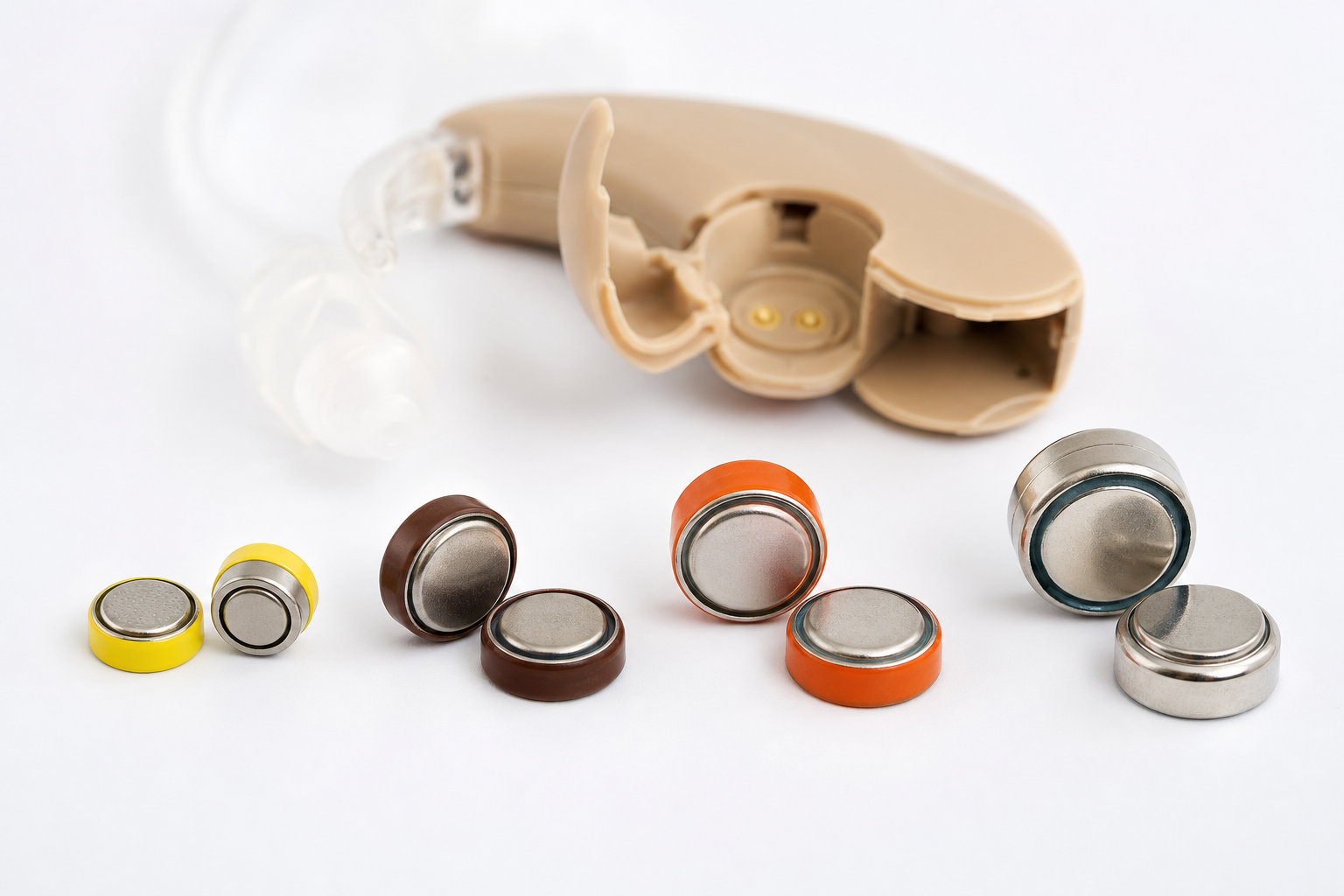
Hearing aid batteries around the world are sold with standard numbers. Each number has its own color; Saying "brown battery" instead of saying "I need 312" at the pharmacy or center means the same thing. We have summarized the four most commonly used sizes in the table below.
| Battery number | Color | Typical device | Estimated life | Note |
|---|---|---|---|---|
| 10 | Yellow | Very small in-ear (CIC, IIC) | 3–7 days | Smallest size; may be difficult to install |
| 312 | Brown | RIC, mini BTE, middle ear | 5–10 days | Most common size |
| 13 | Orange | Medium-large behind the ear (BTE) | 10–14 days | Time is shorter when using Bluetooth |
| 675 | Blue | Powerful BTE, super power models | 2–3 weeks | The largest capacity; in severe hearing loss |
Life estimates in the table are average values. Assumes 16 hours of use per day, moderate hearing loss, and standard programming. Listening to music on the phone, noisy environment programs and high gain settings drain the battery faster.
312 Battery: Most Asked Size
312 battery is indispensable for RIC (receiver channel) and many modern behind-the-ear devices. Its size is small but its capacity is sufficient for daily use. Thanks to its brown color code, it is difficult to confuse in the pharmacy.
When changing the 312 battery, be careful not to touch metal surfaces. The adhesive tape (tab) on the battery usually reaches full voltage after 3–5 minutes of air; It is useful to plug it in immediately and wait a few minutes before saying "it doesn't work". If there is still no sound, the filter or hose blockage should also be checked — not every silence is caused by the battery.
13 and 675: Behind-the-Ear Devices
The orange size 13 battery is common on medium and large behind-the-ear models. Blue 675 is preferred for devices that require high power and are used by users with severe hearing loss. Both are greater than 312; Do not try to force it into the small device compartment.
The advantage of larger batteries is longer life; The disadvantage is that the device is a little bulkier. If the battery compartment is oxidized — white or greenish discharge — installing a new battery without cleaning it will not solve the problem. Our repair and maintenance service can clean the battery compartment and repair the contact.
No. 10 Yellow Battery: Invisible Models
The yellow number 10 is used in "invisible" devices that are almost completely hidden inside the ear. Because it is very small, its lifespan is short compared to others; It is important to have a spare with you. For older users or those with limited dexterity, plug-in operation may be challenging — in which case, a slightly larger device or a rechargeable model may be considered.
Battery Replacement: Step by Step
The battery cover of each brand opens differently; Pay attention to the direction in your manual. The general flow is as follows:
- Turn off the device (if applicable).
- Open the battery cover by sliding it in the direction of the arrow or using the latch.
- Remove the old battery; If necessary, wipe the inside of the compartment with a dry cloth.
- Remove the adhesive tape from the new battery, wait 1–2 minutes.
- Place in the appropriate orientation for the + and − signs (usually flat side up).
- Close the lid; Plug the device into your ear and check the volume.
Sweaty or damp hands may cause problems when installing batteries. If possible, replace it by sitting at a table in a dry environment. For children's devices, models with a locked battery cover are preferred — the risk of swallowing a small battery is a serious issue.
Tips to Extend Battery Life
Although the battery cost may seem small in annual calculations, regular replacement is directly related to your comfort. These extend life:
- Removing or at least turning off the battery when removing the device at night
- Not leaving Bluetooth streaming on unnecessarily
- Do not leave the device turned on in a wet environment (moisture affects the battery compartment)
- Correct storage: room temperature, dry place; Refrigerator or vehicle glove compartment is not suitable
- Do not collect dead batteries together (risk of short circuit)
Measuring the voltage with a «battery tester» helps you determine whether it is actually dead or not. If the sound has faded but the device still works, the battery is nearly exhausted; Switching instead of waiting prevents sibilance and interruption.
SGK Battery Support
Social Security Institution provides a certain number of battery support annually to registered hearing aid users. Conditions, prescription and report process are updated from time to time. For current amount and quantity information, it is recommended that you review official sources sgk.gov.tr.
To receive SGK battery support, a hearing aid report and appropriate prescription are usually required. You can ask your center "how to write a battery prescription"; Lack of documentation is the most common cause of delay. Battery support is a separate item from device support — do not confuse the two.
Rechargeable or battery operated?
Both systems appeal to their own users. Battery operated device: easy to carry a spare battery, no risk of forgetting the charging unit, practical on long flights. Rechargeable device: no daily battery changes, low environmental waste, overnight charge-and-eat-forget routine.
When making a decision, your dexterity, lifestyle and device type should be evaluated together. If you are wondering about Rechargeable hearing aid options, we have explained the differences in daily use in our separate guide. If your current battery-powered device is good, simply adjusting the battery habit may be sufficient.
When Do Battery Problems Signify Repair
If the device does not work even though you have installed a new battery, first check the battery orientation and contact. If there is still no sound, there may be a filter, hose or receiver problem. Do not continue using the device if there is discharge, odor, or heat in the battery compartment — oxidation may damage the internal circuitry.
If you need to change the battery several times a week, this means faster than normal consumption; Programming or device malfunction should be investigated. The battery compartment and power consumption can be checked by making a Repair and maintenance appointment.
Where to Buy a Battery?
Hearing aid batteries are available in pharmacies, hearing centers and some markets. It doesn't matter the brand; The important thing is the correct number and expiration date. Buying bulk packages reduces unit cost; However, keep unopened packages cool and dry.
At Nokta İşitme branches, we help you buy the correct battery type by showing you. If you have bought a device for the first time, answering the question "which color" together will prevent confusion in the future.
Environment and Waste
Used batteries should not be thrown away. Many pharmacies and centers have battery recycling bins. Collecting a small box at home and delivering it once a month is a sufficient habit. In households with children, it is important for safety to keep dead batteries in an inaccessible place.
Travel and Emergency
Take at least a week's worth of spare batteries before going on a holiday or business trip. Battery-operated devices can be used safely on airplanes; There are no special rules for changing batteries. The same number and color code applies abroad — «312 brown» is the same everywhere.
Keeping a spare battery, cleaning cloth and spare filter, if any, in your emergency bag reduces the stress of "I was left silent." Putting a “battery reminder” on your phone is a simple but effective method.
Practical Tips for Elderly Users
Opening the battery cover can be difficult with small latches. Models with large handles or an 'easy open lid' adapter may be requested at the service. Colored battery box (312 in brown, 13 in individual compartments in orange) reduces confusion. Your relative can help change the battery once a week; These few minutes together can be scheduled as a routine.
Battery Storage: Temperature and Humidity
Hearing aid batteries should be stored at room temperature in a dry place. Refrigerators, vehicle dashboards or sunny windowsills are not suitable. Excessive heat shortens battery life; Cold environment may cause temporary performance decrease. Choose batteries that are in their original blister packaging and have not expired.
The idea of "Let's buy a cheap battery" may be confused with mercury or zinc air batteries. Use zinc-air batteries made specifically for hearing aids; A watch battery or photo battery should never be inserted. Voltage difference may damage the device.
Two Ears, Two Batteries: Balance is Important
For those who use dual devices, running out of battery in one ear and continuing in the other causes unbalanced hearing. Make it a habit to change batteries on the same day for both parties. If the battery consumption is noticeably fast on one side, the programming or battery compartment of that device should be checked.
Color-coded weekly schedule: a simple schedule, such as battery replacement on Monday, reduces 'I was silent' moments, especially for busy users.
Battery and Sound Quality Relationship
As the battery gets weaker, the device cannot provide enough power; the voice becomes hoarse or hissing increases. Continuing with a battery that is about to run out because "it's still working" reduces comfort. Regular change also helps the programming work correctly.
Bring it with you when you come to the center
If you are not sure about the battery, bring your device and the battery case you are using. If the number on the cover has been deleted, the color code still guides you. In the service, battery compartment cleaning and correct session checking are done in a few minutes; The distinction between "battery or device" becomes clear.
Summary: Good Battery, Calm Days
The hearing aid battery is not complicated: know the number (10 yellow, 312 brown, 13 orange, 675 blue), change it regularly, protect it from moisture and oxidation. If the problem persists, consider the possibility of device malfunction and consult an expert.
If you are not sure about your battery type, you can bring your device or manual to Nokta İşitme Bozyaka or Yeşilyurt branches. The right battery, correct maintenance and, when necessary, a professional check – this is the key to years of trouble-free operation of your device.
This content is for general information purposes. Consult the manufacturer's manual and your hearing care professional for the specific battery type for your device.
Frequently asked questions
What size hearing aid battery is used?
Varies depending on device model. Small in-ear models generally use size 10 batteries, RIC and medium-sized devices use 312 batteries, and large behind-the-ear models use size 13 or 675 batteries. The correct type is indicated when you open the device cover or in the manual.
What do battery colors mean?
In the international standard, it is coded as 10 yellow, 312 brown, 13 orange and 675 blue. You can choose the right battery by looking at the color at the pharmacy or hearing centre.
How long does a hearing aid battery last?
It depends on the battery size, device power consumption and usage time. For most users, a 312 battery can last 5–10 days, a size 13 battery can last 10–14 days, and a 675 battery can last 2–3 weeks. If Bluetooth streaming is active, the time will be shorter.
What happens if the wrong battery is inserted?
The device may not work or you may damage the battery compartment. If the size is different, do not compress; use the correct number. If in doubt, consult the center before closing the lid.
Does SGK cover hearing aid batteries?
SGK provides annual battery support under certain conditions. Check official SGK sources for current numbers and amounts. Information about the prescription and report process can be obtained from your hearing center.
Should the battery be removed from the device immediately when it runs out?
If you are not using it at night, removing the dead battery and leaving the battery compartment slightly open will reduce moisture accumulation. Be sure to remove the battery if it will not be used for a long time.
Does a rechargeable device require battery replacement?
There is no daily disposable battery replacement in rechargeable models. The internal battery can be replaced in the service after 4–5 years. For those who do not want a daily battery routine, you can consider the <a href="/sarjli-isitme-cihazi">rechargeable hearing aid</a> alternative.
Kaynakça ve Referanslar
Bu makaledeki tıbbi bilgilendirmeler aşağıdaki güvenilir kaynaklara dayanmaktadır.
- Social Security Institution — Hearing aid and battery payments — SGK
- T.R. Ministry of Health — Health information — Ministry of Health
- Hearing aid battery sizes — clinical overview — NCBI Bookshelf
 Hearing Technology
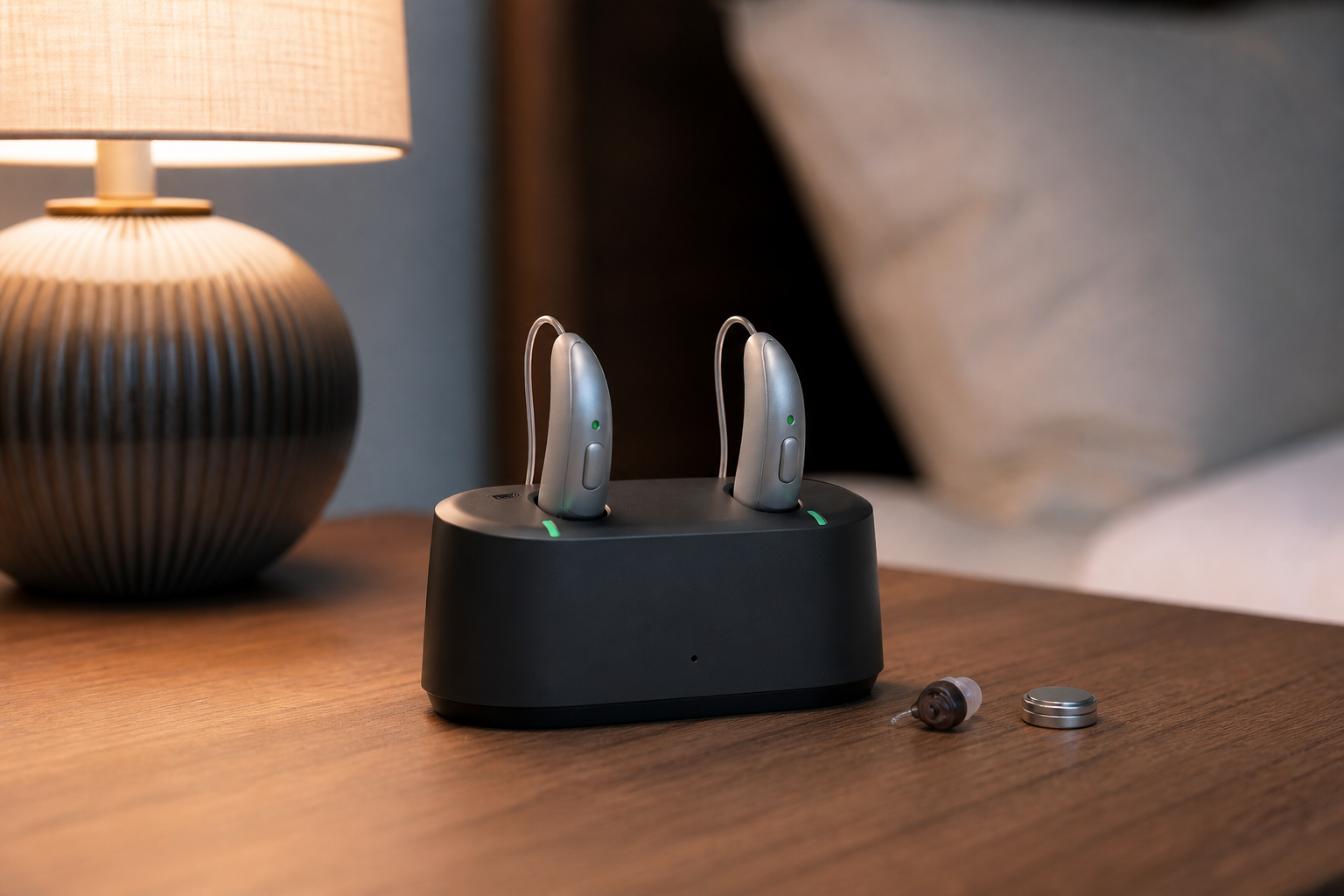
Rechargeable or Battery-Powered: A Hearing Aid Selection Guide
Rechargeable hearing aid or battery-powered model? An honest comparison of daily use, bat…
Read more →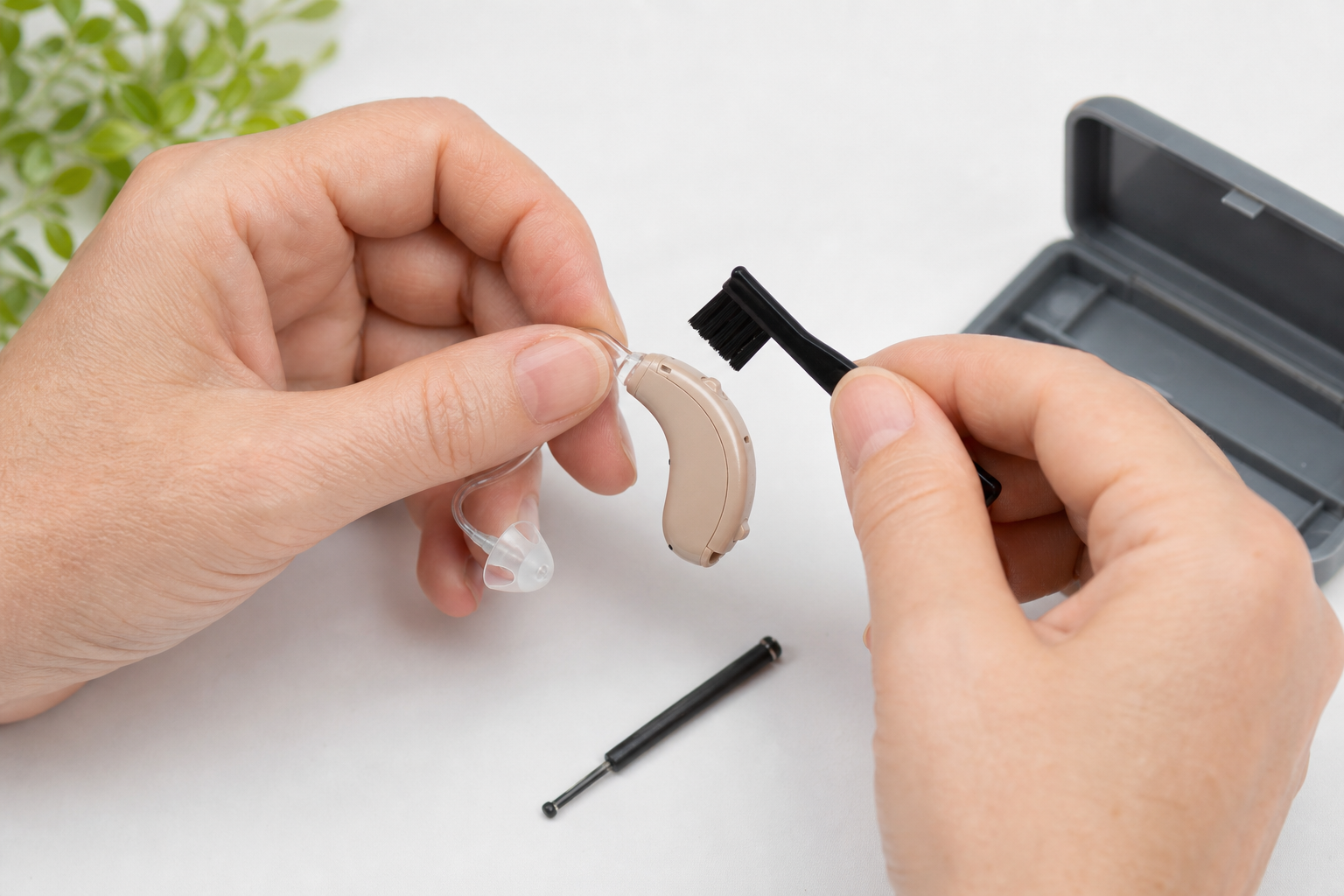 Device Care
How to Clean a Hearing Aid
How do you clean a hearing aid? Daily and weekly steps, what to avoid, and filter mainten…
Read more →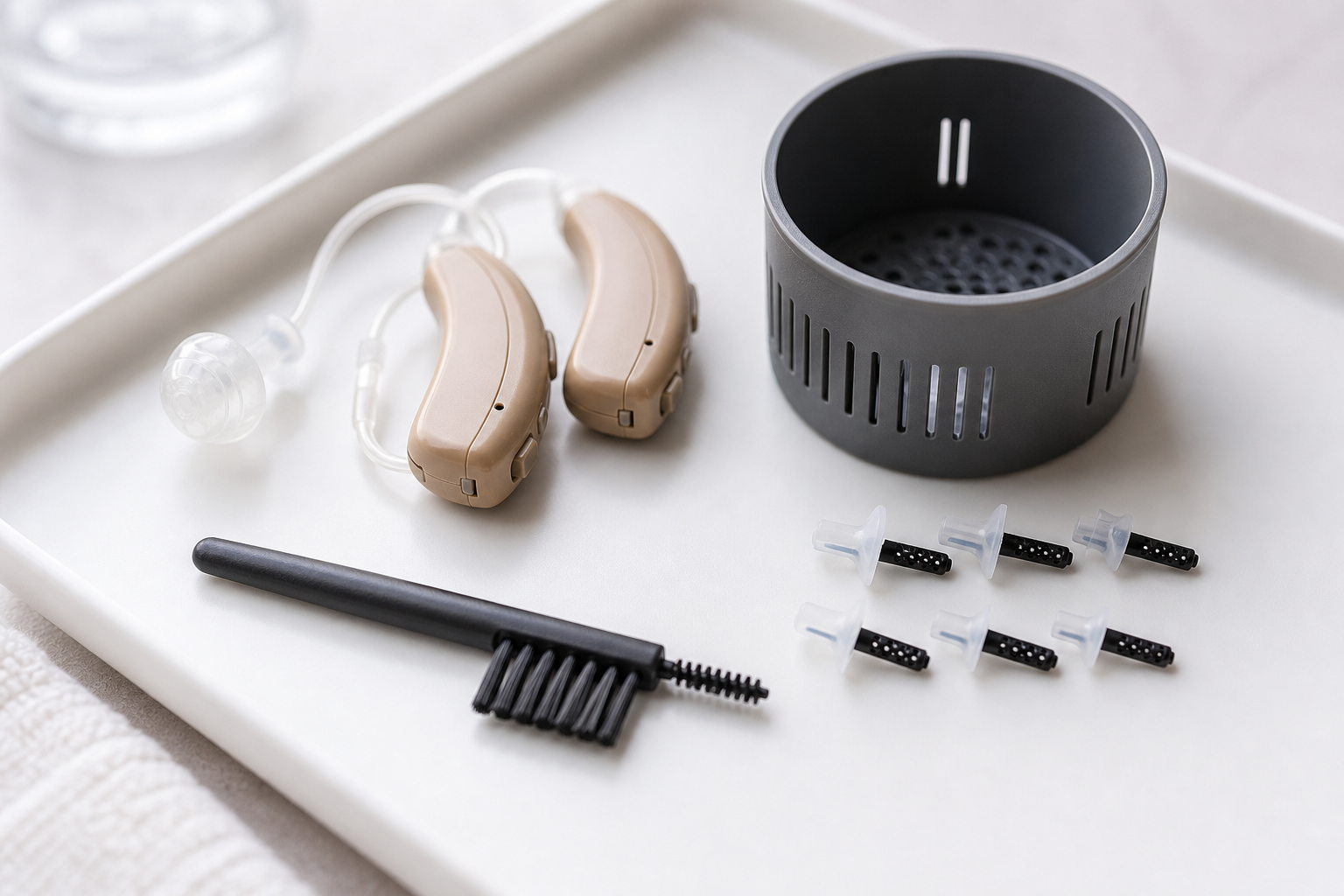 Device Care
How to Maintain a Hearing Aid
Hearing aid maintenance: daily cleaning, wax filter replacement, drying, and professional…
Read more →Get a free initial assessment for proper battery type and device maintenance