

Medically reviewed by Nokta İşitme Audiology Team (Audiologist) according to hearing health information standards.
«Which hearing aid is best for my mother?» When you ask, the internet lists dozens of brands and models. Advertisements say «most advanced», «smallest», «best selling». However, the truth is this: The best hearing aid is personalized. The right device, especially for an elderly relative, is not the most expensive or smallest; It is the one that you can easily wear and use every day.
We wrote this guide for family members. Maybe your father always turns on the TV, maybe your mother withdraws from conversations. Maybe he bought a device but it's sitting in the drawer. Your concern is justified; With the right information and a patient process, hearing aids can truly change the quality of life.
Why is «The Best» Personal?
Choosing a hearing aid is like buying shoes: your size, the structure of your foot, and how much you walk during the day are important. The device that your neighbor is happy with may not suit you. The best hearing aid is shaped by the answers to the following questions:
- What level of hearing loss and at what frequencies?
- Is dexterity suitable for changing batteries or handling small parts?
- Do you spend most of the day at home or outside?
- Is talking on the phone, television or with relatives a priority?
- Will I benefit from SGK support?
The answers to these questions become clear only after the test, during the hearing aid selection process. A device sold as the "best" in a catalog or on the internet is rarely successful without being programmed and tested.
Priority in Selection for the Elderly: Ease of Use
The most common reasons for abandoning hearing aids in elderly individuals are technical difficulties and being left alone during the adaptation process. No matter how advanced the technology is, a device that cannot be plugged in or forgets to charge is useless.
Battery or charging?
Changing a battery can be difficult for seniors with arthritis, tremors or poor vision. Tiny battery covers, need for accurate battery size and frequent replacement make the process tedious. In this case, rechargeable hearing aid models offer a practical alternative: put it on the stand in the evening, wear it in the morning. Battery stock monitoring and the stress of emergency battery drain are eliminated.
If changing the battery is not a problem and the device is more affordable in a battery-powered model, the battery-powered option can also be considered. The important thing is which one fits into your relative's daily routine more easily.
In-ear or behind-the-ear?
In case of mild and moderate losses, in-ear devices may be aesthetically attractive. However, in the elderly, dexterity, ear canal size and ease of care should be taken into consideration. For severe losses or limited dexterity, behind-the-ear models are generally more suitable: larger battery or charging unit, easier to hold and clean.
Automatic settings and simple interface
Devices that do not require manual program changes and automatically detect the environment are comforting for elderly users. Models that require a lot of buttons or apps may be suitable for tech enthusiasts; Not for every old person. The sentence "My mother does not use a phone application" should be decisive in the choice.
The Role of Family Relatives
The hearing aid journey often begins with family support. You noticed, you arranged the appointment, maybe you will also help with the payment. It is clear what you can do and what you should avoid in this process.
Things that are useful to do
- Going to the appointment together and listening to the results together
- Performing the device insertion-disconnection and charging routine several times
- Adjusting television and phone volume together at home
- Normalize «sounds sound strange» in the first weeks
- Writing fine-tuning appointments on the calendar
Things to avoid
- «You can hear it now, why don't you wear it?» accusatory language such as
- Taking a device without permission or trying to install it by force
- Buying a device found on the internet as "the best" without testing it
- Discouraging people by saying "it doesn't work" in the first days
Older individuals often deny hearing loss. This is not shame or stubbornness; It means not noticing the slowly developing loss or normalizing it as "old age". It helps to be patient, give concrete examples (“you didn't hear the door yesterday”) and present the test as a health check.
Technology Level: How Much is Required?
Hearing aids come in different technology levels. High-end models offer features such as speech discrimination in noise, directional microphone and Bluetooth connectivity. Mid-level technology may be sufficient for an elderly person who lives quietly at home and avoids crowds. It can make a big difference for someone who goes to the market, headman's office, mosque or meeting every day.
The best hearing aid is not the most expensive, but the one that suits your lifestyle. Choosing the right level without straining the budget also increases the use of the device in the long run. Check current legislation for SGK contribution conditions; The support process can be planned as a family.
Why is the Trial Process Necessary?
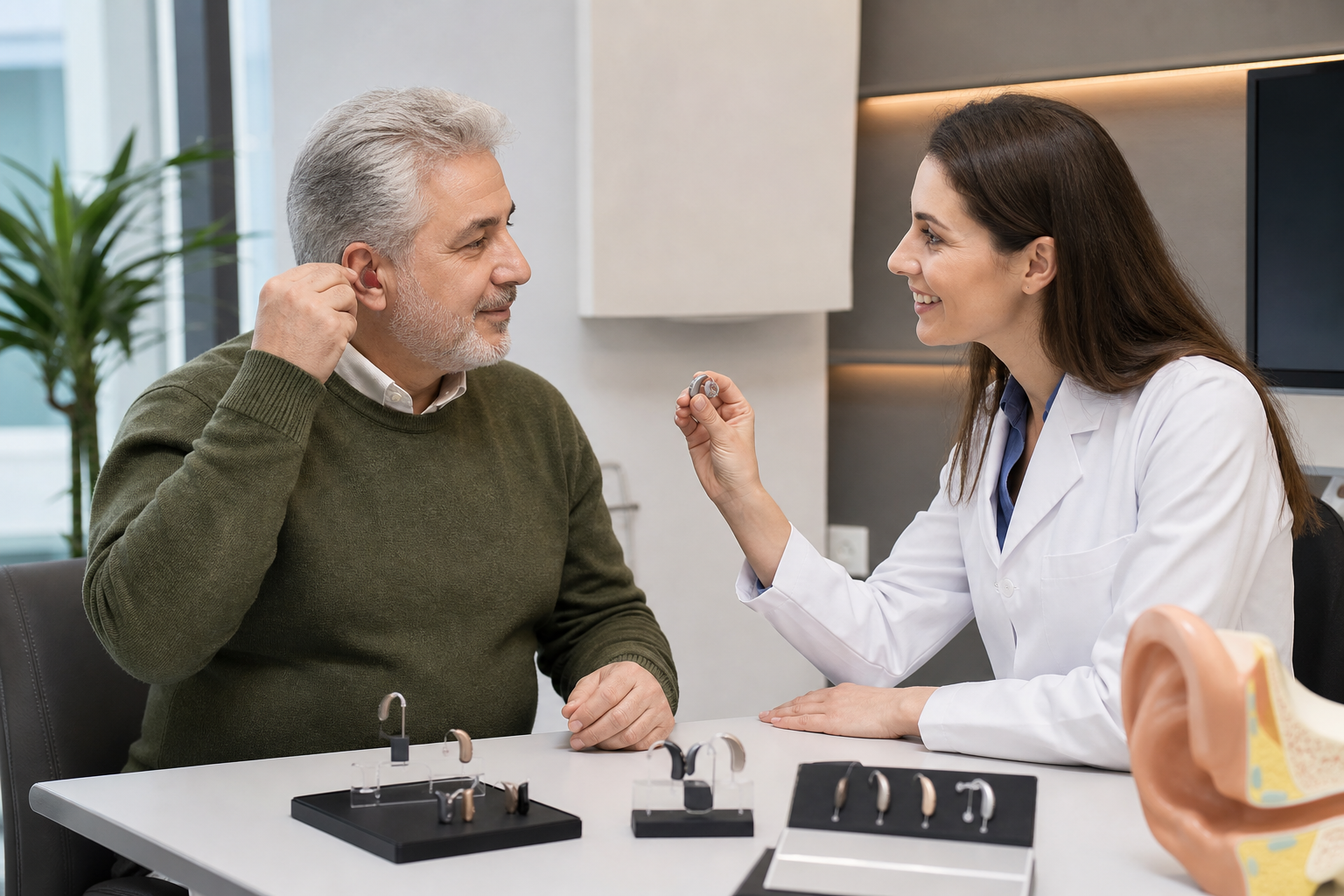
Listening for a few minutes in the store or doctor's office does not reflect performance in daily life. The trial period — a few days or weeks — shows how the device feels at home, on the street, and in crowds. Even if your elderly relative cannot give feedback during the trial, you can observe: Has the television volume decreased, is he/she participating in the conversation more?
Buying the “best hearing aid” without trying it on is risky. Get information in advance about return conditions and trial policy. At Nokta İşitme, the selection process progresses through testing, suggestion, trial and programming steps; Printed sales are not made.
Programming and Tracking: Half of the Device is Here
The device rarely fits perfectly out of the box. Programming according to the hearing profile and fine tuning in the first weeks are essential. A significant part of the complaint "We bought it but it is not used" is caused by inadequate programming or being left unfollowed.
Schedule several follow-up appointments in the first month. If the sound is too loud or squeaky, do not wait quietly; return for adjustment. If your elderly relative does not want to go to the appointment alone, go together. Family support is also valuable at this stage.
SGK and Budget Facts
Hearing aid investment affects the family budget. SGK provides hearing aid contribution to insured people who meet certain conditions. Learning the report process, device selection and application steps in advance reduces surprises. If the budget is limited, it is necessary to balance the technology level and not confuse the "best" with the "most suitable".
A cheap and unprogrammed device can be expensive in the long run: it is not used, it goes in the drawer, the problem is not solved. A mid-range, correctly programmed device will be sufficient and sustainable for most elderly people.
Common Scenarios
«We bought the device, but it doesn't fit»
First figure out why: is he uncomfortable, is he forgetting, does the sound sound wrong? Make a scheduling appointment. Instead of reminding him to wear it, encourage him to "join the conversation." Coercion backfires.
«For both ears or one?»
If there is loss in both ears, two devices are generally recommended. The difference in terms of orientation, discrimination in noise and fatigue is large. If the budget is limited to a single device, evaluating the dominant ear first may be a temporary solution; Trust expert advice.
«Do you need Bluetooth?»
If someone frequently talks on the phone and listens to television, Bluetooth may be useful. It is not mandatory for the elderly who are not familiar with technology. Decide according to your need.
Support for Your Elderly Relative in Izmir
At Nokta İşitme, the hearing aid selection process is carried out in plain language for elderly clients and their families. Hearing tests, device trials and follow-up appointments are scheduled at our Bozyaka and Yeşilyurt branches. You don't have to leave your relative alone; Coming together will make the process easier.
Last Word: The Best Is The One That Is Used
The best hearing aid for seniors is not the most expensive or smallest model in the catalogue. It is a device that is worn every day, programmed correctly and maintained with family support. In your search for the best hearing aid, first test, then need analysis, then trial and patient follow-up. When your relative's hearing improves, you'll see how conversations, the breakfast table, and phone calls change. That moment reminds you that you made the right decision.
Frequently asked questions
What is the best hearing aid?
There is no single «best» device. The most suitable device; It is determined according to the level of hearing loss, dexterity, daily habits and budget. The trial period and professional programming are more decisive than the brand.
Which hearing aid type is more practical for the elderly?
Rechargeable behind-the-ear models are frequently preferred for elderly people who have difficulty changing batteries. Large buttons, automatic volume adjustment and simple operation are also important. If hearing loss is severe, powerful behind-the-ear devices may be required.
An elderly relative of mine does not want to buy a device, what should I do?
Don't speak accusingly. Frame the hearing test as a health check. Offer to go on a date together. Listening to the test result together can help overcome denial. Be patient instead of pushing.
Should you choose a battery-powered or rechargeable hearing aid?
If manual dexterity is good and changing batteries is not a problem, battery-operated models are also suitable. If you have arthritis, tremors, or vision difficulties, rechargeable devices may be more practical with a nightly charging routine. For a detailed comparison, see our rechargeable hearing aid guide.
Is expensive device always better?
No. High-end technology provides benefits in noisy environments and active social life; It may not feel the same difference to someone who lives quietly at home and goes out less. Choosing according to need also protects the budget.
Can older people get used to hearing aids?
Yes. Adaptation is possible at any age. Voices may sound different in the first weeks; This is normal. Regular use, close support and fine-tuning appointments make the process easier.
How can the family support you in choosing a device?
Accompany him to an appointment, learn the usage instructions together, remind him of the battery or charging routine. Adjust the television volume at home together. Be patient and encouraging; Say "let's try it together" instead of "you don't care".
Kaynakça ve Referanslar
Bu makaledeki tıbbi bilgilendirmeler aşağıdaki güvenilir kaynaklara dayanmaktadır.
- WHO — Deafness and hearing loss (Fact sheet) — World Health Organization
- Hearing aids — overview for patients — NIH
- Social Security Institution — Official website — SGK
 Hearing Aids
How to Choose a Hearing Aid
How do you choose a hearing aid? Testing, technology level, style, budget, and trial peri…
Read more →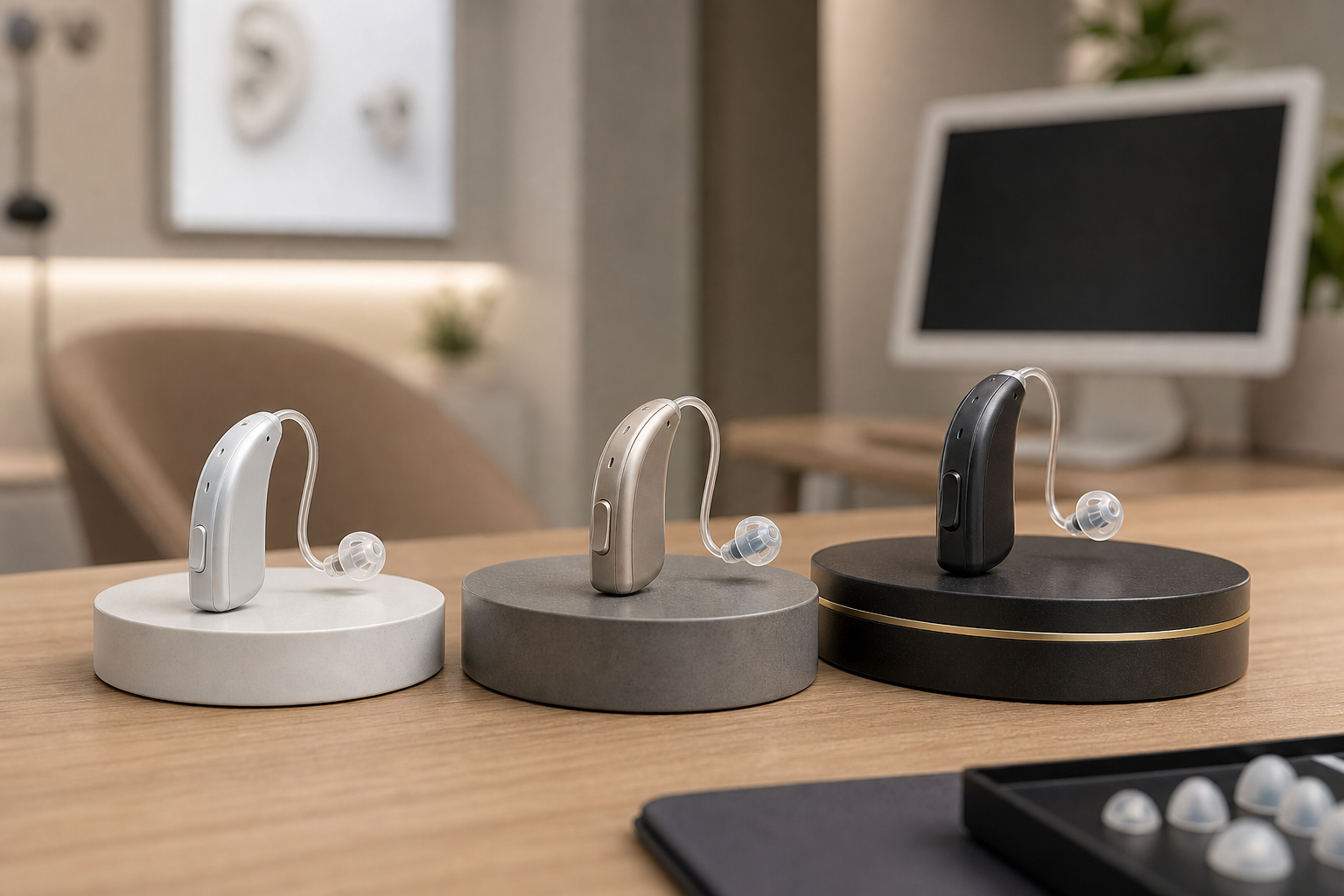 Hearing Aids
2026 Hearing Aid Pricing Guide
What affects hearing aid prices in 2026? Technology levels, SGK contribution, and a compa…
Read more → Hearing Technology
What Is a Bluetooth Hearing Aid and Does It Really Work?
How does a Bluetooth hearing aid connect to your phone and TV? Does it really help, and w…
Read more →Get a free device evaluation for your elderly loved one