

Medically reviewed by Nokta İşitme Audiology Team (Audiologist) according to hearing health information standards.
Not having to take the device out of your ear while making a phone call, hearing the TV sound regardless of the level your family is listening to... Bluetooth hearing aid exists to meet these needs. But it's not as smooth as you see in every commercial; Compatibility, battery consumption and actual usage conditions determine the choice.
At Nokta İşitme, clients often ask: «Does Bluetooth really make a difference or is it an expensive extra?» Short answer: in the right scenario, yes, it is noticeable; If you buy it with wrong expectations, you will be disappointed.
What is a Bluetooth hearing aid?
Bluetooth-enabled hearing aids connect to external audio sources via wireless protocol. Phone call, music, navigation guidance or TV audio is streamed directly to the device; you hear it with personal amplification rather than amplified sound from the speaker.
There are two layers here: the device's own hearing process (noise management, frequency adjustment) and wireless streaming. The two are not interchangeable. A good non-Bluetooth device will still get the job done for everyday conversation; Bluetooth only provides ease of connection and comfort in certain environments.
Difference between Bluetooth and «streaming»
Simple Bluetooth phone connection is not the same as full streaming. Some models only support hands-free calling; Music or TV requires separate adapter. Before purchasing, “what will I hear, with which device, and how?” It is necessary to clarify the question.
Which devices does it connect with?
Compatibility is determined on three sides: hearing aid, phone/tablet and sometimes intermediary adapter.
- Smartphones: With iPhones, Made for iPhone (MFi) certified models usually pair without problems. On the Android side, there is variability depending on the manufacturer and operating system version; Support is wider in current models such as Samsung and Google Pixel.
- Tablet and computer: Can be used for video calling or online meeting; However, not every hearing aid supports the computer Bluetooth profile.
- TV: Most televisions do not connect directly to the hearing aid. The TV adapter (e.g. ReSound TV Streamer or similar manufacturer's accessories) interferes
- Microphone accessories: The remote microphone placed on the restaurant table is used in scenarios such as sound transfer to the speaker in a presentation environment.
If you are using an old phone, it is not enough to look at the "Bluetooth available" label in the store; Pairing test with your real phone should be done during the trial.
Use with phone and TV
Phone calls
On a Bluetooth-connected device, call audio can be heard in both ears; This provides ease of understanding compared to single-ear phone use. We have clients who say you can hear the other party more clearly even over street noise — but poor line quality or a very noisy environment still sets limits.
Attention: long conversations may increase the need for charging devices in the evening. Take this into account when planning your daily routine when choosing Rechargeable hearing aid.
TV and media
The most satisfaction at home is seen in the TV scenario. While your partner watches at low volume, you hear at your own level; It is possible to follow the program at night without disturbing the neighbors. Adapter installation is usually done once; It connects automatically afterwards.
Honest limit: adapter additional cost. Each brand's adapter works according to its own ecosystem; Don't think of it as «just like any other Bluetooth headset».
Advantages of Bluetooth hearing aid
- Conversation without holding the phone close to the ear
- More balanced audio for online meetings and video calls
- Transfer of TV and tablet sound at a personal level
- Sound adjustment, program change with mobile application
- Second device management (phone + tablet) on higher models
None of these 'fix' hearing loss; The basic amplification quality of the device and the programming are still the main determinants. Bluetooth is a layer that makes daily life easier.
Disadvantages and realistic expectations
- Battery consumption increases while streaming
- Not all phone and TV models are compatible
- Disconnection may occur in rare cases; Software updates sometimes cause temporary problems
- Upper segment features increase the price
One of our clients said, "I could manage without Bluetooth, but I video chat with my son every day and I felt the difference." Another person said, "I didn't buy a TV adapter, I just bought it for the phone, it's enough." The need is personal.
Compatibility table
| Source device | General compatibility | Note |
|---|---|---|
| iPhone (iOS 15+) | High | Seamless pairing is common in MFi certified models |
| Android (up to date) | Medium – high | Testing is required based on brand and model |
| Old smartphone | Low – medium | LE Audio may not be supported |
| TV (direct) | Low | TV adapter is a must in most scenarios |
| TV adapter (manufacturer) | High | Works with the same brand ecosystem |
| Laptop/PC | Variable | Profile control required for meeting software |
| Game console | Low | Generally not supported; Alternative solution is sought |
The table shows the general trend; The definitive answer is given by the trial and manufacturer compatibility list.
For whom does it make sense?
Bluetooth is not necessary for everyone. Significant benefits are seen in the following profiles:
- Those who make more than one phone call a day
- Online meeting and remote workers
- Those who watch TV for a long time and have problems with the sound level in the family
- Those who follow educational content on tablets or phones
- Active users who frequently switch between two devices
For someone who lives quietly at home, uses the phone less, and needs basic conversation, a mid-segment model without wireless or with a simple connection may be sufficient. Here, lifestyle analysis is critical in the hearing aid selection process.
For whom is it not a priority?
- Users with limited dexterity and difficult application/screen management (simple physical controls may be preferred)
- Those who use very old phones
- Quiet in-home routine focused on face-to-face conversation only
Selection and trial suggestions
Bluetooth feature is not a substitute for device quality. Hearing test first, correct power and programming; Then the need for connection should be evaluated. During the trial period, make a call with your own phone, see the TV adapter if available, and monitor battery consumption for a few days.
Manufacturer mobile applications manage the connection; Do not decide without trying the application interface. Some users never open the app, some tweak it every day — know which group you're in.
Scheduling and tracking
When Bluetooth is active, the device can switch to different media programs. It is important to fine-tune, feedback and eliminate connection problems under expert supervision in the first weeks. We recommend frequent monitoring in the first month after purchasing the device, especially for those using wireless features.
Last word
Bluetooth hearing aid «really works» — but with the right expectations. It makes daily life visibly easier if you use your phone and TV extensively. It should not be the sole reason for your basic hearing need; Amplification quality and professional application always come first.
In Izmir, you can make an appointment to compare options, try them on your own devices and have an honest needs analysis.
Frequently asked questions
Do Bluetooth hearing aids work like regular headphones?
Partly similar, but not the same. The hearing aid first processes the sound based on your hearing loss; then streams phone or TV audio directly to the device. It is not a headset bought just for listening to music.
Can every phone connect to a Bluetooth hearing aid?
No. The device's Bluetooth LE Audio or Made for iPhone/Android compatibility is determined by the phone's operating system version and manufacturer support. On older phones, connectivity may be limited or non-existent.
How much does Bluetooth connectivity shorten battery life?
When streaming is active, daily usage time is shortened. On rechargeable models, 2–4 hours of phone calls or listening to music can affect a full day's use. In models with batteries, the frequency of battery replacement increases.
Is it possible to transfer TV sound to hearing aids?
Yes, it is possible on compatible devices with a TV adapter or directly with Bluetooth LE Audio supported televisions. Adapter sold separately; Not every TV model connects directly.
Does a Bluetooth hearing aid cause delays?
Lip synchronization could be disrupted in older Bluetooth protocols. In current models, latency has decreased significantly; However, you should not expect zero delay as with a wired connection.
Is every device with Bluetooth feature upper segment?
No. Basic Bluetooth phone connectivity is also available in mid-segment models. TV streaming, multi-device management and advanced app control are generally found in the upper segment.
Kaynakça ve Referanslar
Bu makaledeki tıbbi bilgilendirmeler aşağıdaki güvenilir kaynaklara dayanmaktadır.
- Bluetooth SIG — Bluetooth Low Energy Audio — Bluetooth SIG
- ReSound — Wireless hearing aid technology — ReSound
- FDA — Hearing Aids (Over-the-Counter and Prescription) — BASE. fda
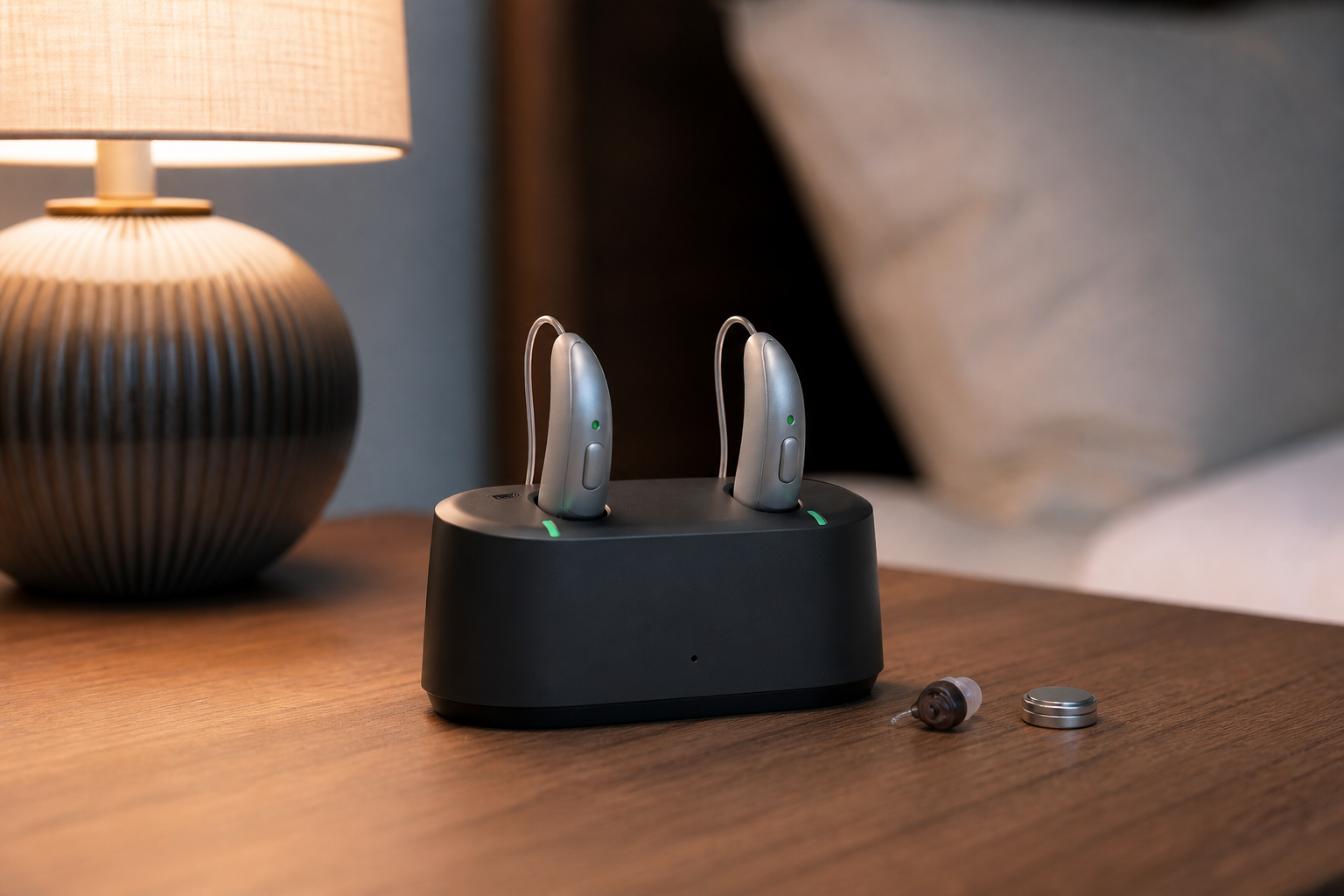 Hearing Technology
Rechargeable or Battery-Powered: A Hearing Aid Selection Guide
Rechargeable hearing aid or battery-powered model? An honest comparison of daily use, bat…
Read more →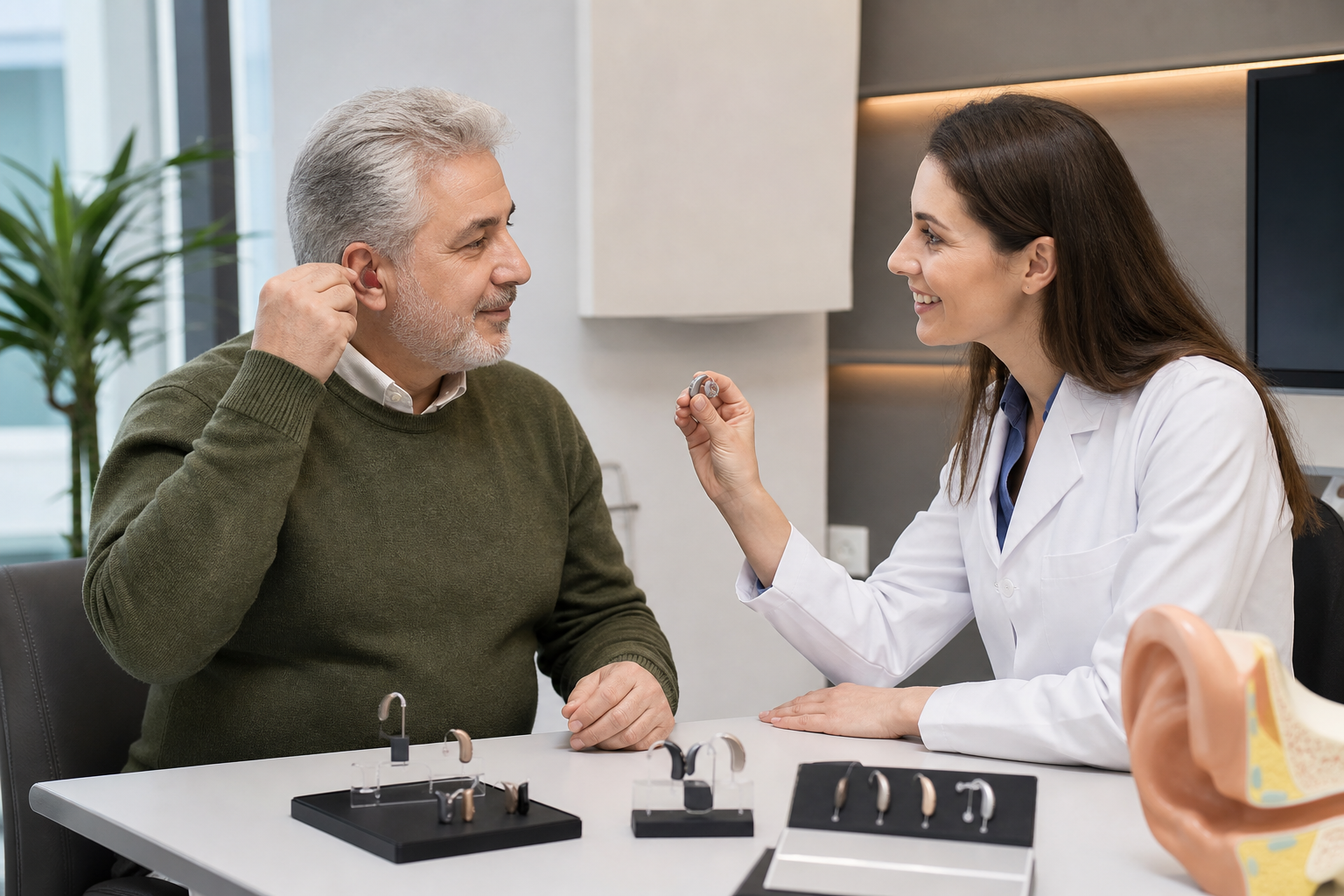 Hearing Aids
How to Choose a Hearing Aid
How do you choose a hearing aid? Testing, technology level, style, budget, and trial peri…
Read more →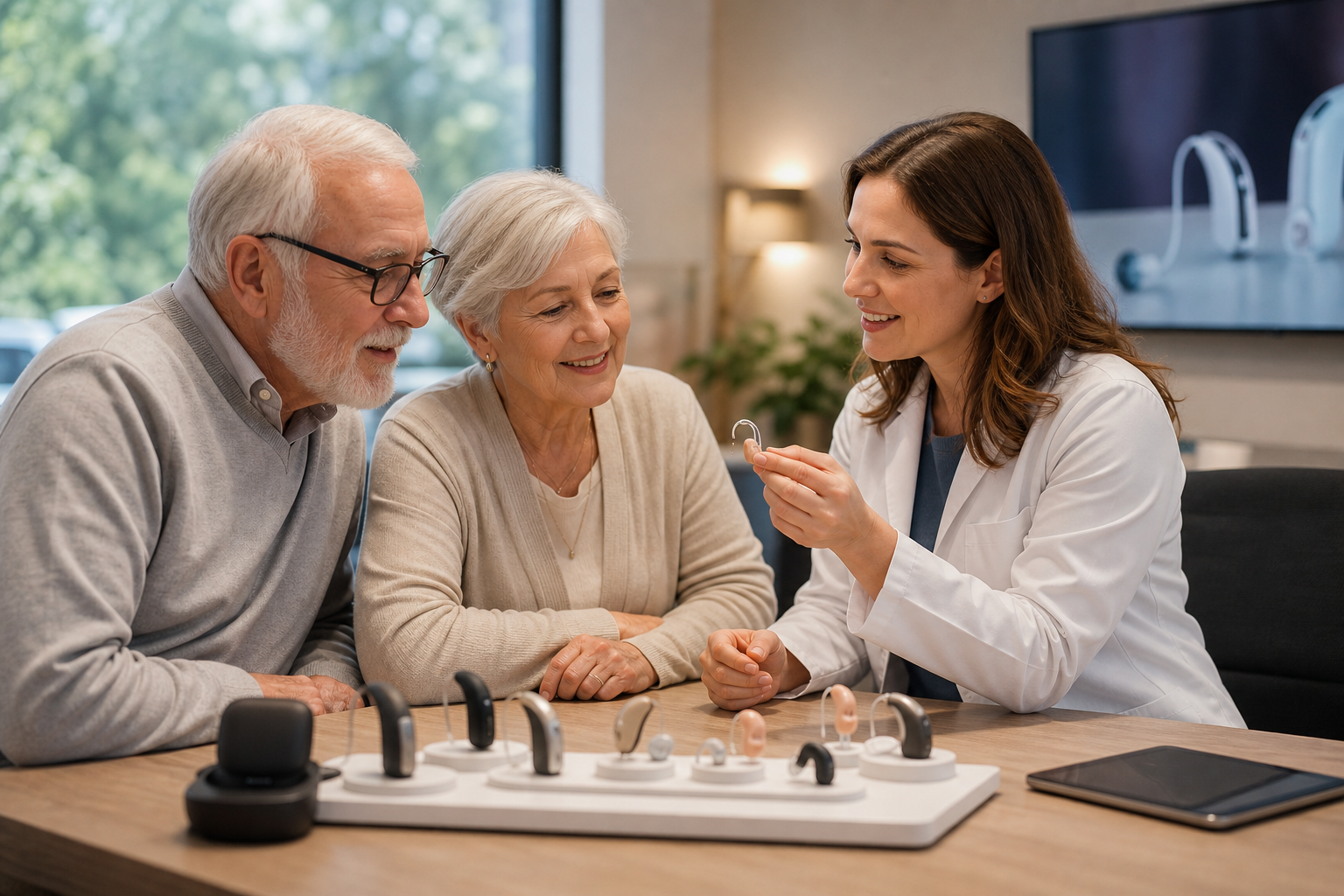 Hearing in Older Adults
How to Choose the Best Hearing Aid for Older Adults
The best hearing aid is a personal choice. A guide for older adults and their families on…
Read more →Get a free pre-evaluation to try Bluetooth-enabled device options