

Medically reviewed by Nokta İşitme Audiology Team (Audiologist) according to hearing health information standards.
Your child's fever exceeded 39 degrees, you gave him medicine, it went down - then you noticed: he doesn't turn around when you call his name, he turns on the TV louder than before. «Does high fever cause hearing loss?» is one of the issues that parents panic about the most but find the least clear answer to. Short answer: Fire alone is not to blame; But infection, medication, or inner ear damage that comes with fever can impair hearing.
In this article, we explain the real connection between fever and hearing, when you should rush, and how the testing process works. Our aim is not to scare; Taking the right step at the right time.
How can fever affect hearing?
Hearing system; It consists of the outer ear, middle ear, inner ear and auditory nerve. High fever is the body's general inflammatory response; Ear structures may also take their share from this process.
Three main mechanisms stand out:
- Middle ear infection (acute otitis): The ear condition most frequently accompanied by fever. Fluid accumulates in the middle ear and sound transmission becomes weaker. Most of the time it gets better with treatment.
- Inner ear / nerve damage: Some viruses can damage the inner ear or auditory nerve. This picture is more serious; Early intervention is important.
- Medications: Rarely, some antibiotics or painkillers used in high doses can be ototoxic (harmful to hearing). In children, the dose and duration should be under the control of a physician.
So "the fever rose, the hearing went away" is not a simple chain. The underlying cause must be found.
Hearing after fever in children: what to pay attention to?
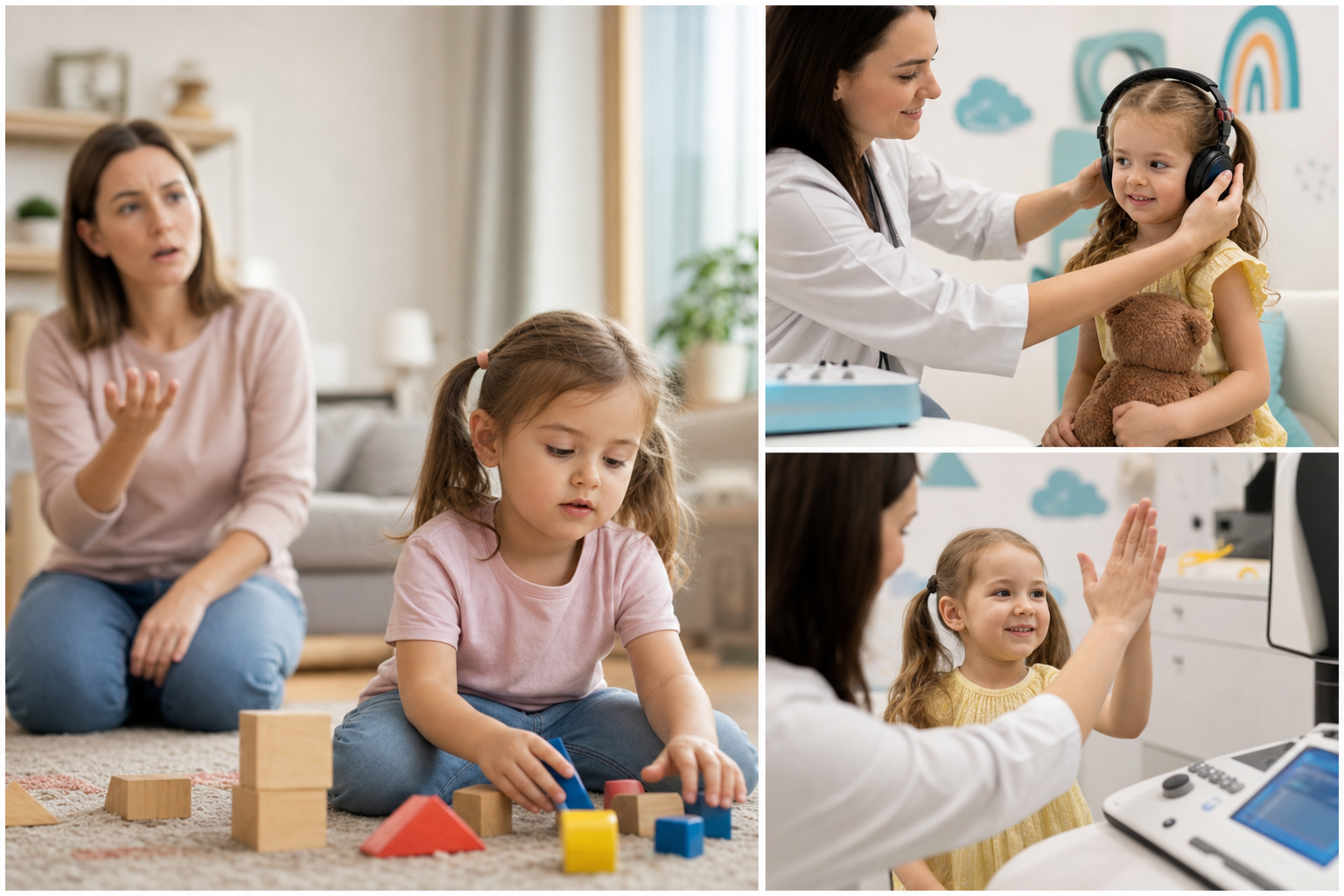
A young child may not express his/her hearing loss by saying "I can't hear". Follow these behaviors after experiencing a febrile illness:
- Slow response to name or calling
- Continuously increase TV/tablet volume
- «What?», «huh?» Don't repeat it often
- Don't get too close to you while talking
- Feedback of being 'absent-minded' or 'not understanding' at school
- Ear pulling, crying, night sleeplessness (pain sign)
These symptoms do not occur after every fever. But if it lasts longer than a week or becomes more pronounced, hearing test should be considered. There is a more detailed list by age in our article Hearing loss symptoms in children.
Middle ear infection or inner ear?
Both can come with fire; The table is different.
| Feature | Middle ear (conduction type) | Inner ear / nerve (sensorineural) |
|---|---|---|
| Pain | Frequent, especially at night | Generally little or none |
| Current | May happen from time to time | Rare |
| Healing | Most of them improve with treatment | Early treatment is essential; permanent risk |
| Test | Audiometry returns to normal when the fluid is withdrawn | There may be a permanent decrease in frequencies |
The definitive distinction is made by ENT examination and audiometry; Evaluation is essential instead of guessing at home.
Fever and hearing in adults
Ear fullness and decreased hearing may also occur in adults after upper respiratory tract infection, flu or sinusitis. Generally, the feeling of «blockage» is at the forefront; It gets better when the infection passes.
Notable exception: sudden hearing loss. Significant drop, ringing, or fullness in one ear within hours — with or without fever — requires urgent ENT evaluation. The benefit of steroid therapy may be greater in the early hours; It is not right to wait.
First signs of hearing loss also applies to adults; If the complaint continues after fever, the test should not be postponed.
Which diseases put hearing at risk?
- Acute otitis media: Very common in children; Most cases heal, be careful with recurrent infections
- Mumps: Can be prevented by vaccination; Known complication of hearing loss
- Measles and some viral meningitis:Rare but serious
- Flu and strong viral infections:Sudden hearing loss is rarely reported
Completing the vaccination schedule, measuring the temperature and not giving medication unless recommended by the physician are simple but effective protection steps.
When to apply urgently?
Do not wait if:
- Sudden, unilateral hearing loss
- Fever + severe earache + vomiting
- Combination of dizziness, loss of balance, facial paralysis
- Change of consciousness or neck stiffness in the child (suspicion of meningitis)
- Pus or bloody discharge from the ear
These tables are within the scope of the emergency department or the nearest ENT clinic. Saying "we'll see tomorrow" during a night of panic narrows the window in some inner ear charts.
Evaluation and testing process
If the complaint continues after the fever subsides, the process generally proceeds as follows:
- ENT examination: Eardrum, discharge, middle ear condition
- Audiometry: Measurement of hearing thresholds; distinction between conduction and sensorineural
- Tympanometry, if necessary: Middle ear pressure and presence of fluid
- Treatment plan: Antibiotics, fluid monitoring, steroid or hearing aid referral — according to chart
If middle ear fluid persists, the physician may request a follow-up test after 6-8 weeks. Early testing does not mean «bad results»; baseline is needed.
You can apply to our center for hearing test and child-friendly evaluation in Izmir. Our article How to do a hearing test explains the process step by step.
Temporary or permanent? The most frequently asked question by parents
Most of the conduction type losses originating from the middle ear improve with treatment and time. The child begins to react again and follow in class. Early intervention increases the chance of inner ear damage; Complete recovery may not always be possible.
For this reason, the "let's wait a bit and it will pass" approach is risky. Language and learning will be affected if hearing deficiency is delayed, especially during the critical period in speech development (0–3 years). In doubt, testing comes before waiting.
What can and should not be done at home?
Can be done: Controlling the fever with the advice of a physician, plenty of fluids, rest, observing the child's reaction, not using cotton swabs for ear cleaning.
Do not: Long-term use of strong antibiotics, ear drops or painkillers without a prescription; harsh intervention for ear cleaning; Postponing it for weeks because "he actually hears it".
Do you need a hearing aid?
When permanent post-fever hearing loss is confirmed, a device evaluation is required for the child or adult. First the medical picture must be clear; then hearing aid selection and programming are planned. For the SGK process, you can check our SGK hearing aid guide.
Not every feverish illness means a device. Most children recover completely; Device talk only comes up in case of permanent loss confirmed by tests.
Conclusion: awareness, not panic
High fever is not the cause of every hearing loss. However, if there is earache, discharge, sudden decrease or change in behavior along with fever, the ear should also be included in the checklist. Early ENT and audiology evaluation is the most accurate way for both temporary and permanent conditions.
If in doubt, make appointment or call us. If your child's fever is gone but not 'the same', a test can often provide peace of mind — preventing unnecessary worry or delayed intervention.
Important: This content is for general information purposes only; Diagnosis and treatment decisions should be made by the ENT physician and audiologist. If you have sudden hearing loss or severe ear pain, seek medical help without delay.
Frequently asked questions
Does high fever alone cause hearing loss?
Fever alone is not considered a direct cause of hearing loss; However, ear infection, viral disease or medication use accompanying fever may affect hearing. If hearing loss is noticed after high fever, especially in children, evaluation is required.
How long does it take for a hearing problem to become apparent after the child's fever subsides?
In some cases immediately, in others within a few days. The child may not say "I don't hear"; Behaviors such as turning up the TV volume, making it repeat, or being inattentive may be clues. If there is doubt within one week after febrile illness, testing should be considered.
Is hearing loss after fever temporary?
Conduction losses due to middle ear infection improve as the fluid is drained. There is a risk of permanent loss if viral inner ear is affected. Early ENT and audiology evaluation improves prognosis.
Which febrile illnesses can affect hearing?
Ear infection (otitis), meningitis, measles, mumps, some viral upper respiratory tract infections, and rarely used ototoxic medications can affect hearing. Not every high fever means hearing loss.
What should I do if fever and earache occur together?
ENT urgent or outpatient clinic evaluation is recommended as soon as possible. If a middle ear infection is left untreated, hearing may be affected temporarily or permanently. If crying, ear pulling and fever occur together in children, do not wait.
When should a hearing test be performed after fever?
If urgent evaluation is required in the acute phase, immediately. If the complaint persists, audiometry can be planned within a few days after the fever subsides. If there is middle ear fluid, the physician determines the appropriate time; Sometimes a follow-up test is required after 6–8 weeks.
Kaynakça ve Referanslar
Bu makaledeki tıbbi bilgilendirmeler aşağıdaki güvenilir kaynaklara dayanmaktadır.
- WHO — Deafness and hearing loss — World Health Organization
- T.R. Ministry of Health — Child health — Ministry of Health
- NIDCD—Sudden Deafness — NIH
 Hearing in Children
Signs of Hearing Loss in Children and the Testing Process
What are the signs of hearing loss in children by age? A calm parent's guide: early warni…
Read more → Hearing Tests
How Is a Hearing Test Performed?
How is a hearing test done? Preparation for first-time visitors, test steps, reading your…
Read more →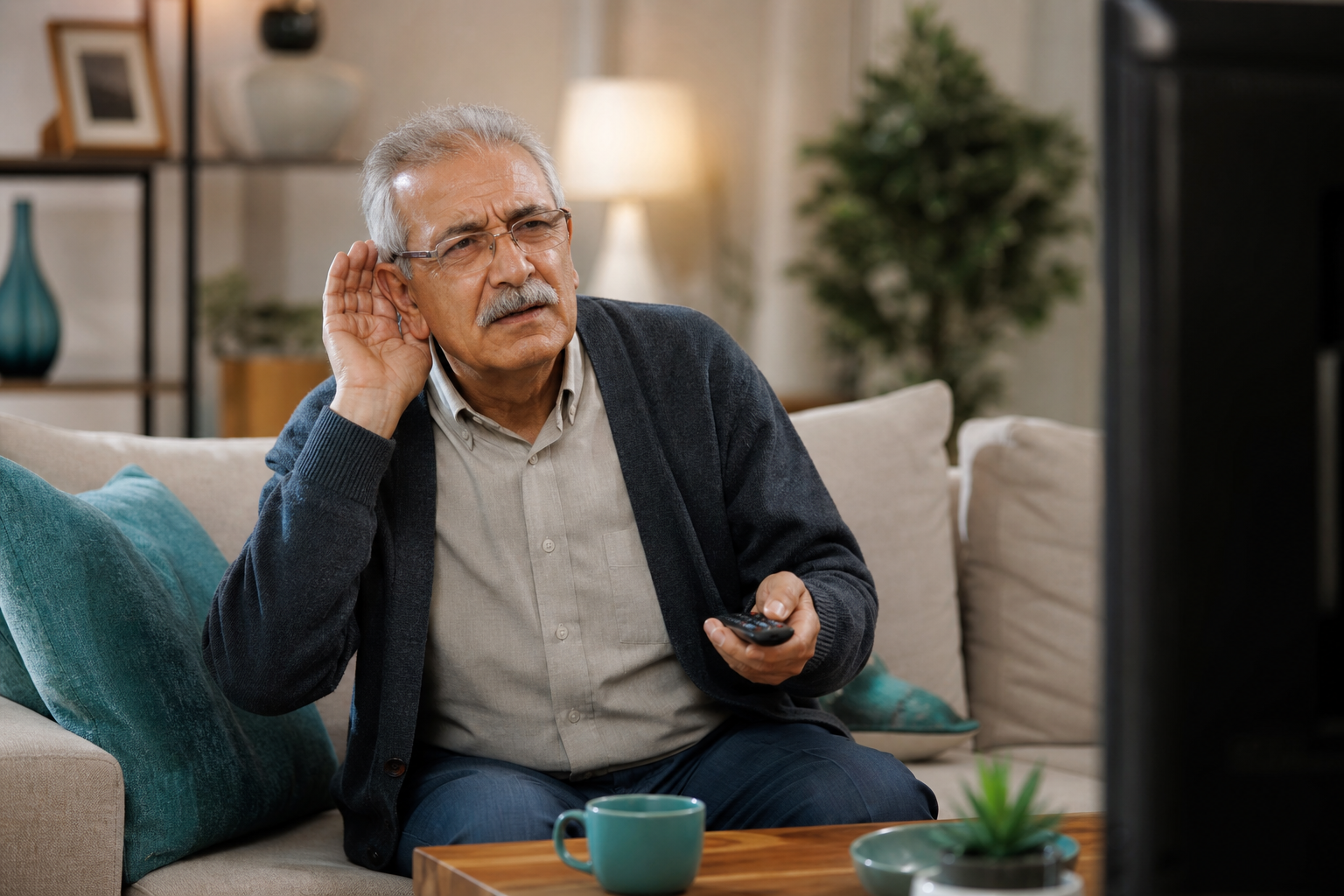 Hearing Loss
What Are the Early Signs of Hearing Loss?
Recognizing the early signs of hearing loss matters. Read our guide to signals such as tu…
Read more →If you have a hearing complaint, make an evaluation appointment without delay.